
Lipedema and Weight Gain: Understanding the Difference
Posted June 29, 2026 in Lipedema Surgery by Josef Hadeed, MD
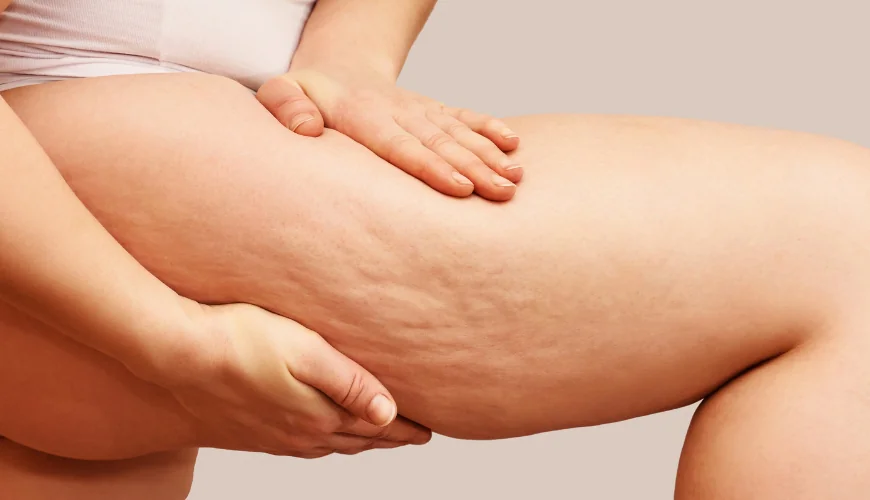
You’ve been told it’s just weight gain. Eat less, move more, and the problem will resolve itself. But you’ve done both of those things consistently, and nothing about your legs, hips, or thighs has changed. Meanwhile, the rest of your body responds normally to diet and exercise. You’ve started to wonder if something else is going on. That instinct is worth listening to. For millions of women, what looks like stubborn weight gain in the lower body is not weight gain at all. It is lipedema, a chronic medical condition that behaves nothing like ordinary fat, even though it is often dismissed as such. Understanding the difference is not just academic. It determines whether you spend another decade blaming yourself for something your lifestyle cannot fix or whether you finally get the diagnosis and treatment you deserve.
8 Min Read:
The Most Important Distinction: Where the Fat Goes
With general weight gain, fat distributes across the body proportionally. Your abdomen, arms, back, face, and legs all accumulate fat in roughly corresponding amounts. When you lose weight through caloric restriction and exercise, fat reduces proportionally across all of those areas as well. The pattern is consistent and predictable.
Lipedema does not follow this pattern. Lipedema fat accumulates selectively in the lower body, the hips, thighs, legs, and sometimes the arms, while the hands, feet, and upper torso remain relatively unaffected. A woman with lipedema may have a slender upper body and disproportionately enlarged legs. She may be at a completely normal BMI and still have noticeably heavy, painful lower limbs. And when she diets or exercises, her upper body may respond while her lower body remains completely unchanged. That disconnect is the hallmark of lipedema.
This is not a lack of effort or willpower. It is a structural, metabolic difference in how the fat behaves, and no behavioral intervention can override it.
Why Lipedema Fat Behaves Differently
Ordinary fat is made up of adipocyte fat cells that store and release energy in response to caloric balance. Lipedema fat is pathological. The fat cells in lipedema tissue are abnormal, and they accumulate independently of caloric intake. The tissue they form is also structurally different: denser, more fibrous, and intertwined with fragile blood vessels that rupture easily, which is why lipedema tissue bruises so readily and is painful or tender to the touch in ways that ordinary fat never is. You can read more about lipedema symptoms and treatment options in our comprehensive guide to lipedema.
The root cause of lipedema is not fully understood, but hormonal factors appear to play a significant role. The condition typically begins or worsens around hormonal transitions: puberty, pregnancy, and menopause. This hormonal connection explains why lipedema affects women almost exclusively and why it tends to progress with age.
Physical Differences You Can Observe
Symmetry
One of the clearest distinguishing features of lipedema is bilateral symmetry. Both legs or both arms are affected equally. This differs from lymphedema, another condition sometimes confused with lipedema, which typically affects one limb following an injury, surgery, or illness. If you notice that both of your legs are significantly larger than the rest of your body, and this has been true since adolescence or worsened with pregnancy or menopause, lipedema is a strong possibility.
The ankle cuff
A characteristic feature of lipedema is a distinct demarcation at the ankle. The enlarged fat in the lower legs stops abruptly at the ankle, leaving the feet and ankles relatively unaffected. This creates what is sometimes described as a cuff appearance at the ankle, which is not present with general obesity.
Pain and tenderness
Ordinary fat is not painful to the touch. Lipedema fat is. Most patients with lipedema describe sensitivity or pain when pressure is applied to the affected areas — even light pressure that would be unremarkable elsewhere. Easy bruising is also consistent across lipedema patients, caused by the fragile capillaries embedded in the abnormal tissue.
Response to weight loss
If you have lost weight through diet and exercise and watched your upper body change while your lower body stayed the same, that asymmetric response is a significant clinical indicator of lipedema. With ordinary weight gain, caloric restriction produces proportional fat loss across the body. If your lower body simply does not respond despite significant effort, the fat there is likely pathological rather than behavioral.
How Lipedema Is Diagnosed
There is currently no blood test or imaging study that definitively diagnoses lipedema. The diagnosis is clinical, based on a physical examination, a detailed patient history, and the pattern of symptoms. Because lipedema is still underrecognized in mainstream medicine, many patients have spent years or decades being misdiagnosed or dismissed. Dr. Josef Hadeed is one of the few board-certified plastic surgeons in Beverly Hills and Miami with deep specialization in lipedema diagnosis and treatment. You can explore treatment options on the lipedema surgery page.
What This Means for Treatment
The distinction between lipedema and weight gain determines what treatment is appropriate and what will actually work. For lipedema, lifestyle modification manages symptoms and slows progression, but it does not remove the abnormal fat. The only treatment that physically removes lipedema fat is lymphatic sparing liposuction, a specialized surgical technique that targets the pathological fat while carefully protecting the lymphatic vessels. This is a reconstructive procedure that requires specific training, anatomical knowledge, and experience with lipedema tissue. You can read more about what the surgery involves on the lipedema surgery page.
FAQs About Lipedema vs. Weight Gain
Can I have both lipedema and general obesity?
Yes. Lipedema and obesity can coexist. Having lipedema does not protect against general weight gain, and the two conditions can compound each other. This is one reason lipedema is so frequently misdiagnosed: a patient who is overweight and has lipedema may have her lipedema dismissed as part of her overall weight picture. The key is the disproportionate distribution and the physical symptoms: tenderness, easy bruising, and failure of the lower body fat to respond to weight loss efforts.
Does exercise make lipedema worse?
Exercise does not cause lipedema to worsen, and staying active is beneficial for circulation and overall health. Low-impact exercise, such as swimming, walking, or cycling, is generally well tolerated and recommended as part of conservative lipedema management. High-impact activities that stress the joints may be uncomfortable given the weight in the lower limbs, but that is a comfort consideration rather than a medical risk.
Can lipedema affect men?
Lipedema is rare in men, but it does occur, typically in association with hormonal imbalances or conditions affecting androgen levels. The vast majority of lipedema patients are women, and the condition appears to be closely linked to estrogen and hormonal fluctuation.
If I lose a significant amount of weight, will my lipedema improve?
Significant weight loss may reduce the overall volume of your body and may make the lipedema proportionally less pronounced, but it will not eliminate the pathological fat or resolve the underlying condition. Many lipedema patients who pursue bariatric surgery or significant dietary weight loss find that their lower body remains disproportionate even after major weight reduction elsewhere.
Get an Accurate Diagnosis in Beverly Hills
If the pattern described in this article sounds familiar, you deserve an accurate evaluation, not another instruction to eat less and exercise more. Board-certified plastic surgeon Dr. Josef Hadeed specializes in lipedema diagnosis and treatment at his Beverly Hills and Miami practices. An in-person consultation includes a thorough physical examination and a direct, honest conversation about what is happening in your body and what your options are. Contact our office today at (310) 970-2940 or request a consultation online.
