
How to Treat Lipedema: From Natural Symptom Relief to Surgery
Posted July 08, 2026 in Lipedema Surgery by Josef Hadeed, MD
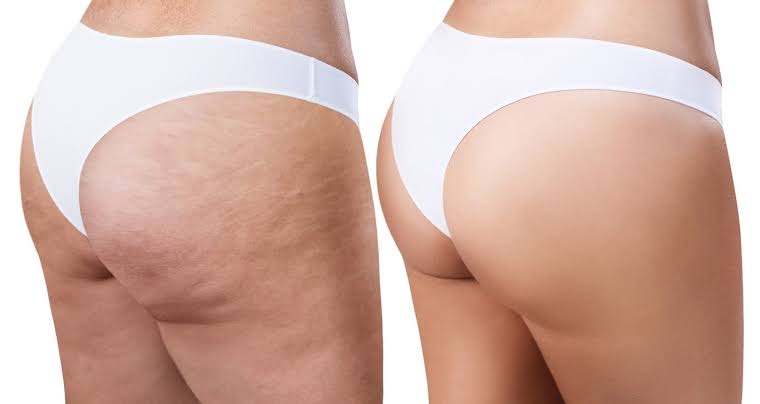
You’ve done everything right. The clean eating, the workouts, the discipline. Yet your legs or arms stay large, heavy, and tender, and the number on the scale has nothing to do with it. If that mismatch has left you frustrated and looking for real answers, you may be dealing with lipedema, and there are treatments that actually work.
10 Min Read:
So how do you treat lipedema? Treatment falls into two categories. Conservative, non-surgical care (compression, manual lymphatic drainage, anti-inflammatory nutrition, and low-impact movement) eases pain and swelling and slows the disease down. Surgery, specifically lymph-sparing liposuction, is the only option that permanently removes the diseased lipedema fat. Most patients use conservative care to manage symptoms and turn to lipedema surgery when they want lasting relief.
The rest of this guide walks through how to recognize lipedema, why it happens, what natural approaches can and cannot do, and how surgical treatment works.
How to Know If You Have Lipedema
Lipedema is a chronic disorder of fat distribution that causes painful, symmetrical fat buildup in the legs, hips, buttocks, and sometimes the arms. It affects almost exclusively women, up to 11% worldwide, and it is routinely mistaken for ordinary obesity, which delays diagnosis for years.
The tissue itself behaves differently from normal fat. It feels nodular, almost like small beads under the skin, and it is tender to the touch. Many patients bruise from the lightest bump. There is often a constant sense of heaviness in the limbs by the end of the day.
The Ankle Cuff Sign
The single most recognizable clue is what surgeons call the cuff. Lipedema fat accumulates down the leg but stops abruptly at the ankle, leaving the foot untouched, so the ankle looks almost like it has a bracelet of fat above it. The same pattern can appear at the wrist, sparing the hand. If your legs are disproportionately large but your feet look normal, that is a strong lipedema signal.
Is It Lipedema or Lymphedema?
These two conditions get confused constantly, and the difference matters for treatment. Lipedema is an abnormal increase in fat cells in the tissue just under the skin. Lymphedema is swelling caused by a buildup of lymph fluid, often in one limb, and it does involve the feet or hands. The conditions can even overlap: untreated lipedema can eventually trigger secondary lymphedema, a combined state sometimes called lipolymphedema. Sorting out which one you have, or whether you have both, is one reason an expert evaluation is worth it.
The Telltale Test Diet and Exercise Fail
Here is the detail that sends most patients looking for answers. Lipedema fat does not respond to diet or exercise. You can lose weight everywhere else and watch these areas stay exactly the same. That resistance is not a willpower problem. It is the defining feature of the disease, and recognizing it is often the first step toward finally getting diagnosed.
Is Lipedema Genetic?
For most patients, yes, genetics are a major piece of the puzzle. Lipedema frequently runs in families, so a mother, aunt, or grandmother with the same disproportionate leg pattern is a common thread.
Hormones are the other piece. Lipedema tends to appear or worsen during periods of significant hormonal change: puberty, pregnancy, and menopause. That timing has led researchers to believe lipedema develops from a genetic predisposition that gets switched on or accelerated by hormonal shifts. Problems with lymphatic function may also contribute.
What this means practically is that lipedema is not something you caused and not something you could have prevented through lifestyle. It is not a symptom of obesity. Understanding that tends to lift a heavy layer of self-blame, and it also explains why the treatment path looks different from a weight-loss plan.
Can You Cure Lipedema Naturally?
This is one of the most common searches on the subject, so it deserves a direct and honest answer: lipedema cannot be cured naturally. There is no diet, supplement, or exercise routine that removes lipedema fat, and any source promising a natural cure is not being truthful with you.
That said, natural and conservative treatments are genuinely valuable, and dismissing them would be a mistake. They will not eliminate the diseased fat, but they reduce pain and swelling, improve mobility, and slow how fast the condition progresses. For many patients they are the foundation of daily symptom management, both before surgery and long after it. Think of them as control, not cure.
Compression Therapy
Medical-grade compression leggings, stockings, and sleeves apply graduated pressure that helps move lymphatic fluid and keeps excess fluid from pooling in the affected limbs. Worn consistently, compression eases that heavy, fatigued feeling. Proper fit matters, because a poorly fitted garment can do more harm than good, so it is worth having yours fitted by someone who understands lipedema.
Manual Lymphatic Drainage (MLD)
MLD is a gentle, specialized massage performed by a trained therapist that stimulates the lymphatic system and moves fluid away from swollen areas. It does not remove lipedema fat, but it meaningfully reduces secondary swelling and discomfort, especially when paired with compression.
Anti-Inflammatory Nutrition
Food will not dissolve lipedema fat, but an anti-inflammatory diet can calm the swelling and tenderness that come with it. Patients often do well emphasizing fresh produce, omega-3 fats from fish and flaxseed, whole grains, and lean protein while limiting processed foods, added sugar, and salt. Some find low-carbohydrate or ketogenic patterns help with fluid retention. Staying well hydrated supports healthy lymphatic flow too.
Low-Impact Movement
Exercise here is not about burning calories. It is about circulation and lymphatic function without pounding your joints. Swimming and water aerobics are ideal, because water pressure acts like natural compression while you move. Cycling and walking work well too. The goal is consistent, gentle motion that preserves mobility and slows progression.
Photobiomodulation
Photobiomodulation, also called low-level laser therapy, uses targeted wavelengths of light to reduce inflammation, support lymphatic flow, and encourage tissue repair. Some studies suggest it can help with lipedema-related pain and fluid buildup, which is why it appears both in conservative care and, in a specialized form, in Dr. Hadeed’s surgical aftercare.
If you want a deeper look at the conservative side, our guide on non-surgical options to treat lipedema covers each of these in more detail.
How Surgery Treats Lipedema at Its Source
When conservative care is no longer keeping your symptoms in check, surgery becomes the definitive treatment, because it is the only approach that actually removes the diseased fat. This is not cosmetic liposuction. Lipedema liposuction is a reconstructive procedure that demands advanced technology, deep anatomical knowledge, and careful planning, and Dr. Josef Hadeed uses a lymph-sparing technique built specifically for it.
The first step uses VASER®, an ultrasound-assisted liposuction technology. VASER® sends gentle ultrasonic waves that selectively melt lipedema fat, which is especially useful because lipedema tissue is often dense and fibrotic. Melting the fat first minimizes trauma to the surrounding blood vessels and tissue, which means less bleeding, bruising, and swelling, plus some skin tightening along the way.
After the fat is emulsified, Dr. Hadeed performs power-assisted liposuction (PAL) using customized cannulas shaped to follow the natural contours of your arms and legs. Throughout, he deliberately avoids deep or aggressive suction in the areas where lymphatic vessels are concentrated. Because lipedema patients often already have a compromised lymphatic system, that restraint is what protects you from complications like secondary lymphedema or infection.
If removing the fat leaves mild skin laxity, skin-tightening technology such as Renuvion® or QuantumRF can firm things from underneath. More significant loose skin may call for surgical removal at a later stage. The aim throughout is not just symptom relief but restored proportion and symmetry, a return to balance in a body that lipedema has distorted.
What Recovery Looks Like
Recovery from lipedema surgery is more structured than cosmetic liposuction, because the priority is protecting your lymphatic system while you heal. Here is the general arc.
Immediately after surgery: You wear a medical-grade compression garment, and some minor fluid drainage, swelling, bruising, and soreness are normal. Light walking is encouraged right away to support circulation and lymphatic drainage.
Weeks 1-2: Bruising begins to fade and swelling tends to peak around week two. Light walking and simple daily tasks are fine; heavy lifting and long periods on your feet are not. Feeling tired or a little low is normal, since your body is in full repair mode.
Weeks 3-4: Discomfort eases and movement feels easier. You can add gentle exercise like walking, stationary cycling, or swimming, while keeping the compression garment on full-time and avoiding strenuous activity until at least six weeks out.
Months 2-3: Swelling continues to settle and your new contour becomes visible. Many patients switch to daytime-only compression, and skin treated with Renuvion® or QuantumRF gradually tightens.
Dr. Hadeed also builds in specialized aftercare: manual lymphatic drainage starting the day after surgery and continuing several times a week for at least six weeks, hyperbaric oxygen therapy to speed healing, and a photobiomodulation protocol using the ELIXIR MD™ device developed specifically for his lipedema patients. Full results typically appear over three to six months, and most patients report a dramatic drop in pain and pressure, easier movement, and far less reliance on daily compression.
Why a Lipedema Specialist Matters
Lipedema is misdiagnosed so often that the right surgeon is genuinely part of the treatment. Many providers are not familiar enough with the condition to recognize it, let alone treat it, and standard liposuction performed without lymph-sparing technique can worsen lymphatic damage. A board-certified plastic surgeon experienced specifically in lipedema can distinguish it from obesity and lymphedema, stage it accurately, and build a treatment plan around your symptoms rather than a generic template. That expertise is what turns treatment from guesswork into a real path forward.
Questions Patients Ask Most About Treating Lipedema
How do I know if I have lipedema or just regular weight gain?
Look for the cuff of fat that stops at the ankles or wrists while the feet and hands stay normal, combined with limbs that stay large no matter how much you diet. Lipedema fat is tender, bruises easily, and feels nodular. Ordinary weight gain is proportional and painless. An experienced surgeon can confirm it.
Is lipedema genetic?
In most cases genetics play a significant role. It runs in families and tends to appear or worsen during hormonal changes like puberty, pregnancy, and menopause, pointing to a mix of genetic predisposition and hormonal triggers. It affects almost exclusively women.
Can I cure lipedema naturally?
No. There is no natural cure. Compression, lymphatic drainage, anti-inflammatory nutrition, and low-impact exercise all help manage pain, swelling, and progression, but they cannot remove lipedema fat. Only lymph-sparing liposuction does that permanently.
How many surgeries will I need?
It depends on how advanced your lipedema is and how much area is involved. Some patients do well after one procedure; many need a staged approach. When staging is required, Dr. Hadeed recommends at least three months between surgeries so the treated tissue can fully heal.
Will I still need compression after surgery?
Many patients find they no longer need daily compression once they have healed, though wearing it during long travel or extended standing can still help. Because lipedema is chronic, ongoing habits like hydration and an anti-inflammatory diet help protect your results.
Take the Next Step Toward Lasting Lipedema Relief in Beverly Hills or Miami
Lipedema is frustrating precisely because the usual advice never works on it, but the right treatment plan can finally change that. Conservative care keeps your symptoms in check, and when you are ready for lasting relief, Dr. Josef Hadeed, a plastic surgeon experienced in lymph-sparing lipedema surgery, can remove the diseased fat and restore your comfort and mobility. To find out which treatment path fits you, call (310) 970-2940 or request a consultation online at his Beverly Hills or Miami office.
