
Lipedema vs. Lymphedema: What’s the Difference?
Posted July 19, 2026 in Lipedema Surgery by Josef Hadeed, MD
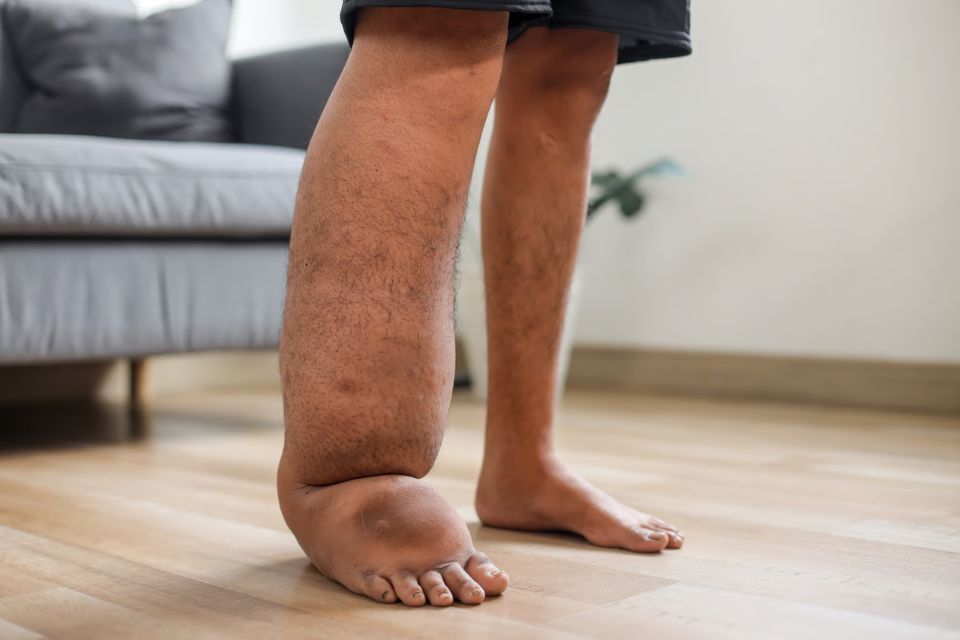
Swelling in the legs can send you down a confusing research rabbit hole, especially when two different conditions, lipedema and lymphedema, keep showing up side by side with overlapping symptoms. Not knowing which one you’re actually dealing with makes it hard to know what treatment options even apply to you. Here’s how the two conditions differ, and why getting the distinction right matters for your care.
7 Min Read:
What Lipedema Is
Lipedema is a chronic condition involving abnormal fat accumulation, typically in the legs, hips, and sometimes the arms. It doesn’t respond to diet or exercise the way ordinary fat does, and it often develops or worsens around hormonal shifts like puberty or pregnancy.
The tissue tends to feel soft to firm and is frequently tender to the touch, with a texture that patients often describe as nodular or uneven under the skin.
What Lymphedema Is
Lymphedema, by contrast, is swelling caused by a buildup of lymphatic fluid, often due to damage or dysfunction in the lymphatic system. It can be primary, meaning it’s present from birth or early life, or secondary, developing after surgery, radiation, or infection that affects lymph nodes or vessels.
Unlike lipedema tissue, lymphedema swelling often pits when pressed, meaning it leaves a temporary indentation, and it can affect one limb asymmetrically depending on the cause.
Key Differences at a Glance
The two conditions share some overlap, which is exactly why they’re so often confused.
- Symmetry: Lipedema usually affects both legs symmetrically. Lymphedema can affect one limb or both, depending on the underlying cause.
- Tissue texture: Lipedema tissue tends to feel nodular and is often tender. Lymphedema swelling is typically softer and may pit when pressed.
- Onset: Lipedema often begins around hormonal changes. Lymphedema is usually tied to a specific triggering event, such as surgery or infection.
- Feet involvement: Lymphedema commonly involves the feet and toes. Lipedema classically spares the feet, which is one of the more reliable distinguishing signs.
Can You Have Both?
Yes. When lipedema progresses without treatment, it can eventually lead to secondary lymphedema, a combined condition sometimes referred to as lipo-lymphedema. This is one of the reasons early, accurate diagnosis matters so much.
Why an Accurate Diagnosis Changes Your Treatment Plan
The treatment approach for lipedema, which often includes lipedema surgery using lymphatic-sparing liposuction, is different from the primary treatment approach for lymphedema, which centers on decongestive therapy and lymphatic drainage.
Dr. Josef Hadeed, a double board-certified plastic surgeon and former Chair of the Patient Safety Committee for the American Society of Plastic Surgeons, evaluates which condition, or combination of conditions, you’re dealing with before recommending any surgical plan.
Frequently Asked Questions
How is lipedema diagnosed differently from lymphedema?
Diagnosis relies heavily on physical examination, including symmetry, tissue texture, and whether the feet are involved. Imaging and lymphatic function tests can help clarify unclear cases.
Can lipedema turn into lymphedema?
Yes, untreated or advanced lipedema can progress into a combined condition involving lymphatic dysfunction, sometimes called lipo-lymphedema.
Does liposuction treat lymphedema the same way it treats lipedema?
No. Lymphatic-sparing liposuction is a recognized treatment for removing lipedema tissue, while lymphedema treatment typically focuses on managing fluid buildup through approaches such as decongestive therapy and compression. In some cases, surgical procedures, including specialized fat removal techniques, may be considered for patients with advanced lymphedema depending on their symptoms and individual circumstances.
Will insurance cover treatment for either condition?
Coverage varies by insurer and by how thoroughly the condition is documented. This is worth discussing directly during your evaluation.
Can compression garments help both conditions?
Compression therapy is a component of care for both lipedema and lymphedema, though the broader treatment plans differ based on the underlying cause of the swelling.
Get an Accurate Diagnosis for Lipedema in Beverly Hills
For related reading, see how lipedema differs from ordinary weight gain and non-surgical management options for this condition.
Understanding exactly which condition you’re dealing with is the first step toward the right treatment plan. Board-certified plastic surgeon Dr. Josef Hadeed specializes in lipedema surgery, and patients travel from around the country for his experience distinguishing and treating this condition. To learn more, contact our office today at (310) 970-2940 or request a consultation online.
