
Gynecomastia Surgery Scars: What to Expect
Posted July 15, 2026 in Breast Procedures by Josef Hadeed, MD
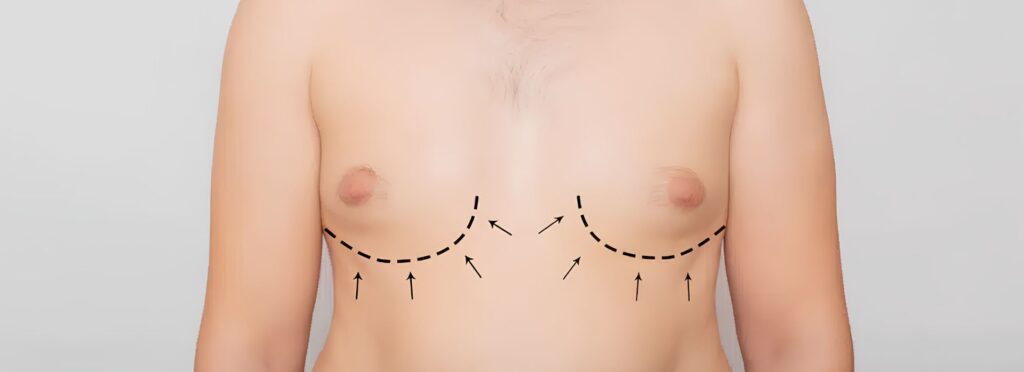
For a lot of men, part of what makes gynecomastia so frustrating is feeling self-conscious about your chest in the first place, so the idea of trading that for visible scars can feel like a real setback. Here’s what scarring from gynecomastia surgery actually tends to look like and how it changes over time.
6 Min Read:
Where Incisions Are Typically Placed
Incisions for gynecomastia surgery are usually placed around the edge of the areola, where the change in skin color naturally helps camouflage the scar line.
When liposuction is part of your procedure, small additional incision points may be placed in less visible areas around the chest to allow for cannula access.
In cases where significant excess skin needs to be removed, additional incisions may be required. These incisions are typically placed along natural folds or less noticeable areas of the chest whenever possible to help minimize the appearance of scars over time.
How Scars Change Over the First Year
In the first few weeks, incisions are typically pink or red and slightly raised. This is a normal part of the healing process, not a sign that something is wrong.
Over the following months, scars generally fade in color and flatten considerably. Most patients see the most noticeable improvement between three and twelve months after surgery.
Factors That Affect How Scars Heal
How much tissue needed to be removed, your individual skin type, and how closely you follow post-operative care instructions all influence how your scars ultimately heal.
Sun exposure to healing incisions can also affect final scar appearance, which is why keeping the area protected during the healing window matters more than people often expect.
Minimizing the Appearance of Scars After Surgery
Following your surgeon’s specific aftercare instructions, avoiding sun exposure to the incision sites, and being patient with the timeline all support the best possible scar outcome.
Dr. Hadeed places incisions with long-term scar appearance in mind from the start, which is part of why incision placement is discussed during your consultation rather than left as an afterthought.
What to Expect: Recovery Timeline
Weeks 1-2: Incisions appear pink or red and slightly raised, with steri-strips or dressings often still in place.
Weeks 3-6: Scar color begins to soften, and the incision lines start to flatten.
3-12 Months: Scars continue fading and flattening, with most of the visible improvement happening during this window.
Frequently Asked Questions
Will scars be visible when shirtless?
Most incisions are placed around the areola specifically to minimize visibility, and scars typically become quite subtle as they fully mature.
Do all gynecomastia surgeries leave the same scars?
No. Scar location and length depend on how much tissue needed to be removed and whether liposuction, excision, or both were used.
How long until scars fade?
Most significant fading happens within the first year, though scars continue to soften gradually for some time after that.
Can scar creams help?
Some patients find silicone-based scar products helpful during healing, though following your surgeon’s specific aftercare plan matters more than any single product.
Will larger gynecomastia cases have bigger scars?
Generally, more extensive gynecomastia cases involving significant tissue removal or skin excision may require longer incisions. However, incision placement is carefully planned around natural contours and folds of the chest whenever possible to help reduce scar visibility.
Learn More About Gynecomastia Surgery in Beverly Hills
For related reading, see the full week-by-week recovery timeline and how severity is classified for this condition.
Understanding what to expect from scarring can make the decision to move forward with surgery feel a lot less uncertain. Board-certified plastic surgeon Dr. Josef Hadeed specializes in gynecomastia surgery and plans incision placement with long-term scar appearance in mind. To learn more, contact our office today at (310) 970-2940 or request a consultation online.
