
How Is Lipedema Diagnosed?
Posted July 03, 2026 in Liposuction by Josef Hadeed, MD
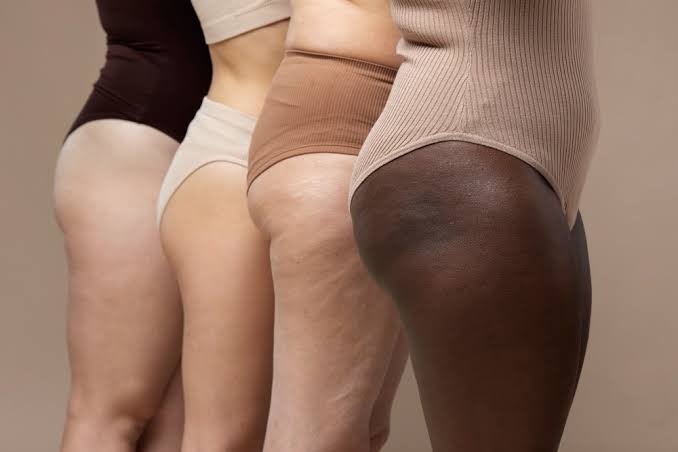
Getting a straight answer about swollen, painful legs can take years for many lipedema patients. Between doctors attributing it to weight and a general lack of awareness about the condition, not knowing what’s actually happening in your own body, or what your options are once you find out, is often the hardest part. Here’s what an actual lipedema evaluation involves.
6 Min Read:
Why Lipedema Is Often Missed or Misdiagnosed
Lipedema doesn’t show up clearly on standard imaging like an X-ray, and it’s frequently mistaken for obesity or general weight gain, especially by providers who aren’t specifically trained to recognize it.
This means many patients spend years being told to simply lose weight, even when their legs and hips aren’t responding to diet or exercise the way the rest of their body does. That mismatch is often the first real clue.
What Happens During a Lipedema Evaluation
Diagnosis is primarily clinical, meaning it’s based on a physical exam rather than a single definitive test. A qualified evaluator looks at where the fat is distributed, whether it’s symmetrical, whether the tissue is tender or nodular, and importantly, whether the feet are spared, since lipedema classically stops at the ankle.
Your history matters too. Many patients notice the onset around puberty, pregnancy, or menopause, and a family history of similar leg or arm swelling is common, since lipedema tends to run in families.
Stages of Lipedema and What They Mean
Lipedema is generally classified into stages based on how the tissue looks and feels, ranging from smooth skin with underlying nodularity in early stages to more pronounced skin changes and larger nodules in later stages.
Knowing your stage helps determine which treatment approach makes sense. Earlier stages often respond well to conservative management, while more advanced stages are more likely to need surgical intervention to see meaningful change.
What Happens After You Get a Diagnosis
A diagnosis should open the door to a clear conversation about your actual options, not just confirm that something is wrong. Those options range from compression therapy and manual lymphatic drainage to lipedema surgery using lymphatic-sparing liposuction for more advanced cases.
Dr. Josef Hadeed, a double board-certified plastic surgeon and former Chair of the Patient Safety Committee for the American Society of Plastic Surgeons, walks patients through the full range of treatment options once a diagnosis is confirmed, rather than jumping straight to surgery as the only answer.
Frequently Asked Questions
At what age is lipedema usually diagnosed?
Many patients first notice symptoms around puberty, pregnancy, or menopause, though the actual diagnosis often comes years later due to how frequently the condition is missed.
Do I need imaging to be diagnosed?
Diagnosis is primarily based on a physical exam. Imaging isn’t always required, though it can sometimes help rule out other conditions or clarify unclear cases.
Can a general doctor diagnose lipedema?
Some can, but many patients are better served by a specialist who’s specifically trained to recognize the condition, since it’s still under-taught in general medical training.
What specialists are involved in diagnosis and care?
Depending on your case, this can include a plastic surgeon experienced in lipedema, a lymphedema therapist, and sometimes a vascular specialist.
Is lipedema genetic?
It often runs in families, and a family history of similar leg or arm swelling is one of the clues used during evaluation, though a specific genetic test isn’t part of standard diagnosis.
Get a Clear Lipedema Diagnosis in Beverly Hills
For related reading, see distinguishing this condition from typical weight gain and what this type of surgery typically costs.
An accurate diagnosis is the foundation for understanding your actual treatment options. Board-certified plastic surgeon Dr. Josef Hadeed specializes in lipedema evaluation and surgery, and patients travel nationally for his experience with this condition. To schedule an evaluation, contact our office today at (310) 970-2940 or request a consultation online.
