
Silicone Lip Removal: Can Injected Silicone Be Removed From the Face?
Posted November 15, 2026 in Injection Removal by Josef Hadeed, MD
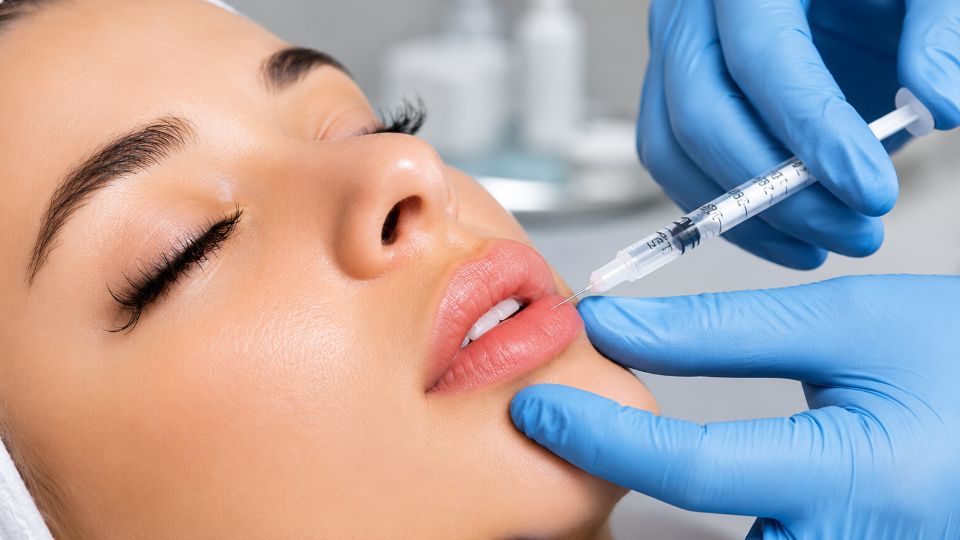
Your lips were supposed to look fuller and better, and instead they feel firm, look uneven, or ache in a way that worries you. Problems with facial filler are especially distressing because they are right there, visible every time you look in the mirror. If injected silicone has gone wrong in your lips or face, the first thing to know is that help exists.
8 Min Read:
Yes, injected silicone can be removed from the lips and face by an experienced specialist. Complete removal is difficult because the material integrates with delicate facial tissue, but the goal is removing as much as safely possible to relieve symptoms and improve appearance. Because facial anatomy is delicate, this work requires a surgeon specifically experienced with it. This article explains the signs of a silicone reaction, how removal is performed, and what to expect.
Why Silicone in the Lips and Face Is a Problem
Understanding why facial silicone causes trouble explains why removal is often needed. Injectable silicone used for lip and facial augmentation is often industrial-grade material that is not FDA-approved for this purpose, frequently administered outside a proper medical setting. Once injected into the delicate tissue of the lips or face, the body treats it as a foreign material and can mount a chronic reaction. Over time this can lead to firm nodules, distortion, migration, and inflammation. Because the face is so visible and functionally important, these problems are both cosmetically and physically distressing.
Signs of a Silicone Reaction
Recognizing the warning signs helps you seek care before problems worsen. Signs of a silicone reaction in the lips or face include firm lumps or nodules you can feel, swelling, redness, pain or tenderness, an uneven or distorted shape, migration of the material to new areas, and recurring inflammation or infection. A key feature is that these problems can appear months or even years after the original injection, sometimes long after you thought everything had settled. If your lips or facial contours have changed, hardened, or become painful, those are signals worth evaluating. They follow the same pattern as the biopolymer warning signs seen when these materials are injected elsewhere in the body.
Why Problems Can Appear Years Later
The immune response to injected silicone does not resolve on its own, so complications can develop or worsen long after the procedure. This delayed onset catches many people off guard, and it is one reason silicone injections in the face are so problematic: the risk does not pass with time the way people assume, and untreated biopolymer injections tend to worsen rather than settle.
How Silicone Is Removed From the Lips and Face
Removal in this delicate area requires a careful, specialized approach. Facial and lip silicone removal involves careful surgical excision of the affected tissue by a specialist experienced with the delicate anatomy of the face. Unlike body areas, where ultrasonic liposuction plays a larger role, lip and facial removal relies on precise, conservative excision to protect the surrounding structures, function, and appearance. The approach is highly individualized, based on where the material is, how much is present, and how it has affected the tissue. Because complete removal is difficult when material has integrated with delicate tissue, the realistic goal is removing as much as safely possible to relieve symptoms and improve appearance, sometimes across more than one stage. This is not work for a general practitioner; it requires a surgeon experienced specifically in filler removal.
The Importance of Choosing the Right Specialist
The delicate nature of the lips and face makes the surgeon experience the single most important factor. An experienced specialist balances thorough removal against preserving the appearance and function of these sensitive areas. Many practices do not handle silicone removal at all. Dr. Hadeed approaches facial and lip cases with the precision this anatomy demands, drawing on the same experience behind his silicone and biopolymer injection removal work for the body.
What to Expect From Recovery and Results
Knowing the arc helps you plan and set realistic expectations. Recovery from facial or lip silicone removal depends on the extent of the work, but it generally involves swelling and bruising that resolve over weeks, with the final result settling over several months. Because some material may remain when it has deeply integrated, and because tissue may have been affected, the goal is meaningful improvement in symptoms and appearance rather than a perfect restoration. For many patients, relief from pain, firmness, and distortion, along with a more natural appearance, is a significant improvement over living with the problem.
Frequently Asked Questions
Can injected silicone be removed from the lips and face?
Yes, by an experienced specialist, though complete removal is difficult because the material integrates with delicate facial tissue. The goal is removing as much as safely possible to relieve symptoms and improve appearance.
What are the signs of a silicone reaction?
Firm lumps or nodules, swelling, redness, pain or tenderness, an uneven or distorted shape, migration of the material, and recurring inflammation or infection. These can appear months or years after the injection.
How is silicone removed from the lips?
Through careful surgical excision of the affected tissue by a specialist experienced with delicate facial anatomy. The approach is individualized and conservative to protect function and appearance, and it may be done in stages.
Is silicone lip removal safe?
When performed by an experienced specialist, it is safe and often necessary to relieve symptoms. Because the lips and face have delicate anatomy, choosing a surgeon experienced in this specific work is essential.
Get Help With Facial Silicone in Beverly Hills or Miami
Problems with lip or facial filler deserve a specialist who understands this delicate work. Double board-certified plastic surgeon Dr. Josef Hadeed evaluates and treats silicone reactions in the lips and face in Beverly Hills and Miami. Call (310) 970-2940 or request a private consultation.
