
What Happens If Biopolymer Injections Are Left Untreated?
Posted October 27, 2026 in Injection Removal by Josef Hadeed, MD
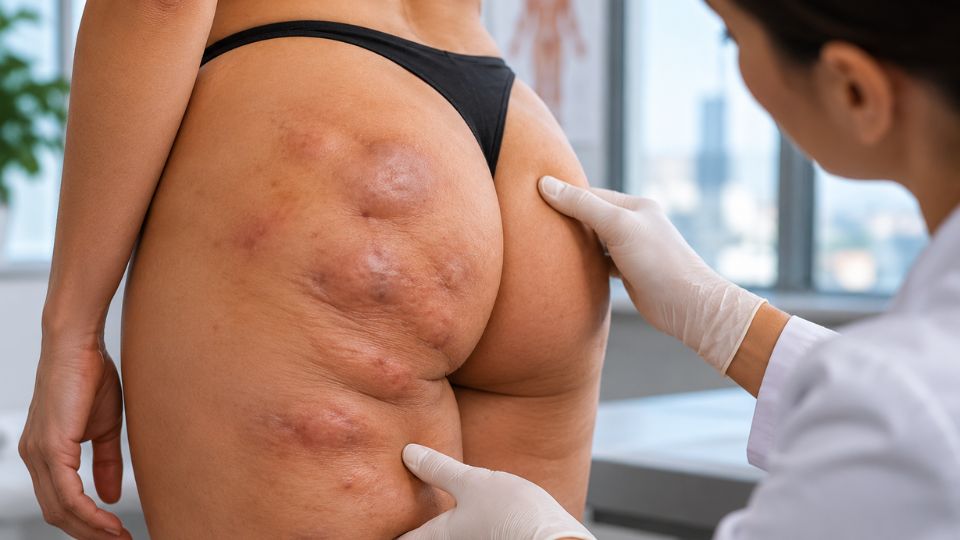
Maybe the injections haven’t bothered you much, or maybe the thought of surgery feels more daunting than living with them. Either way, a quiet question lingers: what actually happens if you just leave them alone? It’s worth answering honestly, because the risks of waiting are often invisible until they aren’t, and understanding them helps you make a clear-eyed choice.
9 Min Read:
Left untreated, biopolymer injections can migrate through the body, harden into granulomas, cause chronic pain, and trigger recurring infections. Because the body’s immune response to the foreign material never fully resolves, these complications tend to worsen over time rather than settle. Severe cases can involve tissue death and life-threatening infection. This article explains what happens when biopolymer is left in place, the warning signs, and why evaluation matters even without symptoms.
Why Untreated Biopolymer Doesn’t Stay Quiet
Understanding the nature of the material explains why leaving it alone carries risk.
Biopolymer, a term for illegal fillers like industrial silicone and hydrogel, is not FDA-approved for body contouring. Once injected, your body recognizes it as a foreign invader and mounts a chronic immune response that does not shut off. This ongoing reaction is the engine behind the complications. The material does not simply sit inertly; it provokes a reaction that continues for as long as it remains. Our complete guide to biopolymer injection removal covers the full medical picture.
The Risks of Leaving Biopolymer Untreated
Several distinct complications can develop when the material stays in place, and they often compound each other.
Migration
Biopolymer does not stay where it was injected. It infiltrates surrounding tissue and travels with gravity and movement, drifting far from the original site, often down the thighs or into surrounding areas. Migration spreads the problem across more tissue and makes eventual removal more complex. Our article on biopolymer warning signs explains how to recognize it.
Hardening and Granulomas
As the immune system walls off the foreign material, it forms granulomas, hardened clumps of inflammatory tissue. The area becomes firm, lumpy, and tender. These can appear months or years after the original injection, and they are a common reason patients eventually seek removal.
Chronic Pain
Many patients with untreated biopolymer develop chronic pain, often pain that travels through the legs, ankles, and abdomen as the material migrates and irritates tissue. This discomfort can be debilitating and tends to worsen as the condition progresses.
Recurring and Severe Infection
One of the most serious risks is infection. Biopolymer can cause disfiguring chronic infections that recur because the material provides a surface the immune system cannot clear. Some infections become severe enough to require intravenous antibiotics or surgical removal of dead tissue. In the worst cases, complications include tissue death and overwhelming infection that can become life-threatening. Our article on the risks and complications of biopolymer removal covers the full severity spectrum.
Why the Risk Grows Over Time
This is the point that changes many patients’ thinking about waiting.
The immune response to biopolymer does not resolve on its own, so inflammation, migration, and infection risk tend to increase the longer the material stays in place. Waiting rarely makes the situation safer. It usually makes eventual removal more complex, since the material has more time to spread and harden. Complications can also surface years after injection, catching people off guard. In short, untreated biopolymer is not a stable situation; it is a progressive one.
Why Evaluation Matters, Even Without Symptoms
A fair question is whether you should act if you feel fine right now. An evaluation is still worthwhile.
Because complications can appear years after injection, a baseline evaluation lets a surgeon image the material, document its location, and help you weigh monitoring against removal before a problem develops. Not everyone with old injections needs immediate surgery, but everyone benefits from knowing where they stand. If you are symptomatic, our guide to who needs biopolymer removal explains how the decision is made, and our article on how removal is performed covers the surgery itself. Dr. Hadeed treats symptomatic biopolymer as a medical problem first.
Frequently Asked Questions
What happens if biopolymer injections are left untreated?
They can migrate, harden into granulomas, cause chronic pain, and trigger recurring infections. Because the immune response does not resolve, these complications tend to worsen over time, and severe cases can involve tissue death and life-threatening infection.
Do complications get worse over time?
Yes. The immune response does not shut off, so inflammation, migration, and infection risk generally increase the longer the material stays in place. Complications can also appear years after the original injection.
Is it dangerous to leave silicone injections in?
It can be. Industrial silicone and biopolymer are not FDA-approved for body contouring, and over time they can cause chronic pain, disfiguring infections, and tissue damage. Severe infections can become life-threatening.
Should I have it removed even without symptoms?
An evaluation is still wise, because complications can appear years after injection. A surgeon can image the material, document its location, and help you weigh monitoring against removal before a problem develops.
Understand Your Risks in Beverly Hills or Miami
Knowing what untreated biopolymer can do is the first step toward protecting your health. Board-certified plastic surgeon Dr. Josef Hadeed evaluates biopolymer complications in Beverly Hills and Miami and will tell you honestly where you stand. Reach the team at (310) 970-2940 or request a confidential consultation.
