
How Do You Qualify for Lipedema Surgery?
Posted November 13, 2026 in Lipedema Surgery by Josef Hadeed, MD
You’ve finally found a treatment that could help, and now a practical worry surfaces: will you even qualify? After years of being dismissed or misdiagnosed, the fear of being turned away again is real. The good news is that qualifying for lipedema surgery is more straightforward than you might expect, and knowing the criteria lets you walk into your first visit prepared.
8 Min Read:
You qualify for lipedema surgery with a confirmed lipedema diagnosis, symptoms such as pain, heaviness, and disproportionate fat that resists diet and exercise, and evidence that conservative care has not fully controlled your symptoms. You also need to be in good enough health for surgery. Stage helps guide the plan but does not disqualify you. This article explains the diagnosis, symptom, and health criteria surgeons use, and what to bring to your first visit.
The Foundation: A Lipedema Diagnosis
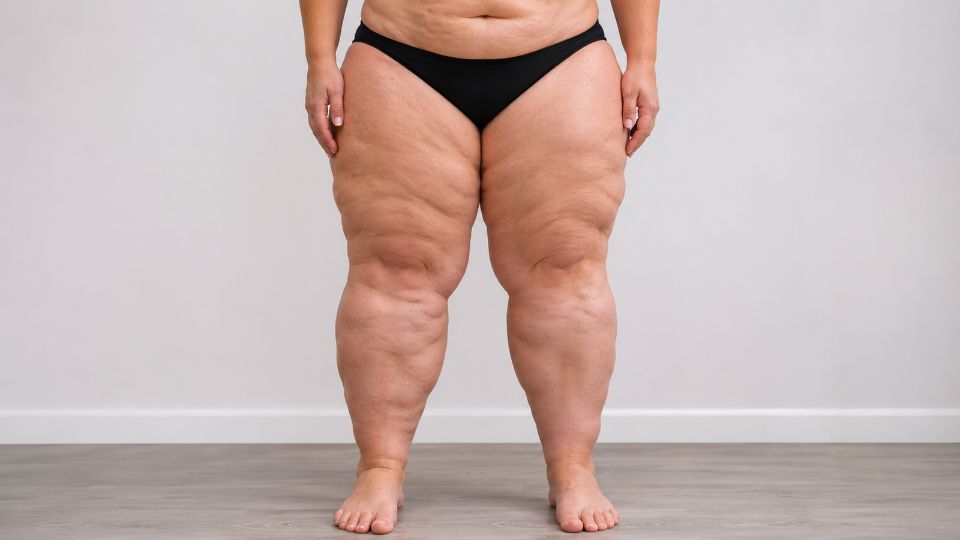
Everything starts with confirming that you actually have lipedema, because a clinical diagnosis is the foundation of qualifying for surgery. Lipedema is diagnosed by its characteristic features: symmetric, disproportionate fat accumulation, usually in the legs and sometimes the arms, that spares the hands and feet, is tender to the touch, bruises easily, and resists diet and exercise. A surgeon experienced in lipedema can recognize these features, and your evaluation confirms the diagnosis if it has not already been made.
Ruling Out Other Conditions
Part of diagnosis is distinguishing lipedema from similar conditions. The most common confusion is lipedema vs lymphedema, since lymphedema involves fluid rather than diseased fat. The two can also coexist. Getting this right matters because it affects the treatment plan.
The Symptom Criteria
Beyond diagnosis, your symptoms are central to qualifying, so it helps to know which ones count. Qualifying symptoms include pain or tenderness in the affected areas, a sense of heaviness, easy bruising, the characteristic symmetric disproportion, and limits on mobility or daily function. These symptoms demonstrate that the condition is affecting your quality of life, which is the basis for pursuing surgery. If your legs or arms hurt, feel heavy, and look disproportionate despite your best efforts, those are exactly the symptoms that point toward qualifying.
Conservative Care First
Most surgeons want to see that you have tried conservative care, compression, manual lymphatic drainage, exercise, and dietary measures, and that it has not fully controlled your symptoms. This matters both clinically and, when relevant, for insurance. Demonstrating that these measures helped manage but did not resolve your symptoms supports the case that surgery is the appropriate next step.
How Stage Affects Qualification
Your stage shapes the plan but is rarely a barrier to qualifying. Lipedema progresses through recognized stages based on how the tissue looks and behaves, and patients at various stages can qualify for surgery. Earlier stages may be more straightforward, while later stages, with larger tissue masses, lobular deformities, or mobility limits, often make the case for surgery even clearer. In other words, stage helps determine how extensive your treatment will be and how many procedures it may require, rather than whether you qualify at all.
Health and Candidacy Factors
Because this is surgery, your overall health is part of qualifying. Good candidates are in reasonably stable health, do not smoke or are willing to quit well before surgery, and have realistic expectations. Chronic conditions like diabetes are not automatic disqualifiers but need to be well managed. Nicotine impairs healing, so quitting matters. These are the same sensible health criteria that apply to body surgery generally, and many are addressable, so a “not yet” is often a “not until we prepare you properly.”
What to Bring to Your First Visit
Walking in prepared makes your evaluation more productive, so gather a few things in advance. Bring any prior lipedema diagnosis or relevant medical records, a history of your symptoms including how long you have had them and how they have progressed, documentation of the conservative treatments you have tried and their results, a current list of medications, and any photos that show how the condition has changed over time. This information helps the surgeon confirm your diagnosis, assess your stage, and build a plan. Dr. Hadeed uses this evaluation to determine whether lipedema surgery is appropriate and how to approach your specific case with lymphatic-sparing liposuction.
Frequently Asked Questions
How do you qualify for lipedema surgery?
With a confirmed lipedema diagnosis, symptoms like pain, heaviness, and disproportionate fat that resists diet and exercise, and evidence that conservative care has not fully controlled your symptoms. You also need to be in good enough health for surgery.
What symptoms qualify someone?
Pain or tenderness, heaviness, easy bruising, symmetric disproportionate fat that spares the hands and feet, and mobility limits. These symptoms, combined with a diagnosis, support the case for surgery.
Does stage affect qualification?
Stage guides the plan but does not disqualify anyone. Patients at various stages can qualify, and later stages often make the case clearer. An evaluation determines the right approach for your stage.
What should I bring to my first visit?
Any prior diagnosis or records, a history of your symptoms and how long you have had them, documentation of conservative treatments tried, a list of medications, and photos if you have them.
Find Out If You Qualify in Beverly Hills or Miami
The only way to know for certain is a proper evaluation with a lipedema specialist. Dr. Josef Hadeed, a double board-certified plastic surgeon in Beverly Hills and Miami, treats lipedema with lymphatic-sparing techniques and will tell you honestly whether surgery is right for you. Reach the team at (310) 970-2940 or request a consultation online.
