
Rib Remodeling Surgery: What Patients Need to Know
Posted August 30, 2026 in Rib Remodeling by Josef Hadeed, MD
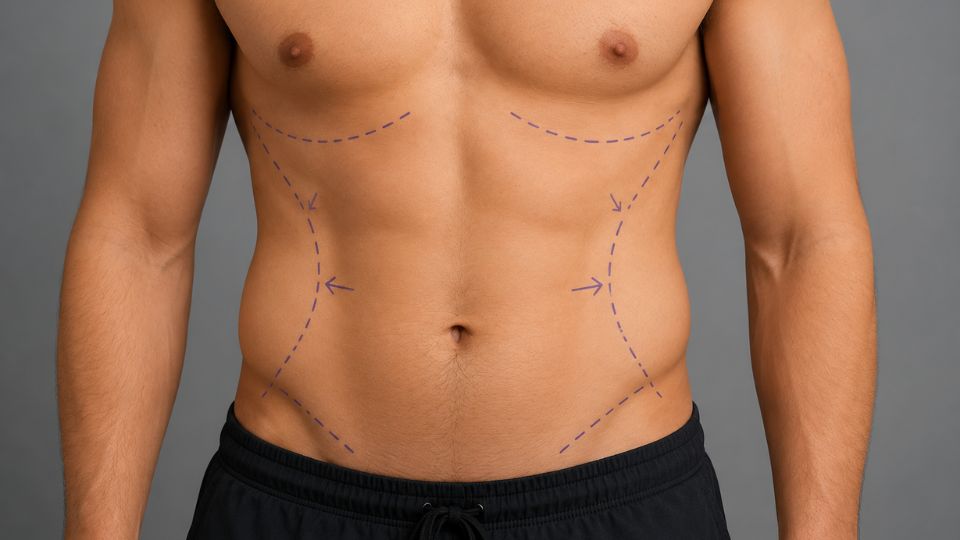
You’ve done the core work, dialed in the cardio, and gotten genuinely lean, and your waist still reads straighter and wider than you’d like. Here’s what almost no one tells you: waist width is partly set by bone, not just fat. That’s the part no plank or diet can touch, and it’s exactly what rib remodeling addresses, without removing a single rib.
10 Min Read:
Rib remodeling surgery reshapes the lower ribs to narrow and define the waistline, creating a more contoured, hourglass, or V-shaped silhouette. The ribs are not removed. They are gently repositioned, which preserves their protective function while permanently cinching the waist. Dr. Hadeed performs this as H-Curve® rib remodeling. This guide covers why the waist resists exercise, how the procedure works, who it suits, recovery, and how it differs from old-fashioned rib removal.
Why the Waist Won’t Narrow With Exercise Alone
Your waist width is set by three things: fat, muscle, and the position of your lower ribs. Diet and exercise address only the first two.
They cannot change the third. The lower floating and false ribs establish a structural width that no amount of training will alter. This is why some people stay boxy through the midsection despite being lean and disciplined, and why a smaller waist can feel permanently out of reach. Rib remodeling works directly on that bony framework, which is the piece missing from every other approach.
Who Struggles With This Most?
Two groups notice it especially. Naturally lean people who have done everything right and still lack waist taper, and people who have built significant core musculature, which can actually widen the waist. In both cases the fat is already minimal, so there is nothing left to lose through dieting. The limitation is skeletal, and that’s a structural problem that needs a structural solution.
How H-Curve® Rib Remodeling Works
The technique is precise and deliberate, and it bears no resemblance to the crude rib removal of decades past.
Board-certified plastic surgeon Dr. Josef Hadeed begins by using ultrasound to confirm the exact location of the lower ribs, typically the 10th, 11th, and 12th pairs, which are the floating and false ribs at the base of the ribcage. Through a small incision on each side of the mid-back, he carefully dissects down to the ribs. Using slow, measured movements, he cuts through the outer portion of the bone and applies steady, direct pressure to produce a controlled, medical-grade fracture. He then gently repositions the rib inward.
The ribs are reshaped, not removed. They continue protecting your internal organs, and as the controlled fractures heal in their new, narrower position, the slimmer waistline becomes permanent. You can read more on the H-Curve® rib remodeling procedure page and on what is rib remodeling.
Why Imaging Guidance Matters
The ultrasound step is not a formality. Confirming the precise position of each rib before any bone work is what keeps the procedure safe and controlled, allowing the surgeon to work in exactly the right place. This is one of many reasons rib remodeling belongs with an experienced surgeon rather than being treated as routine.
Rib Remodeling vs Rib Removal
This distinction matters enormously, because the older approach carried real drawbacks that the modern one avoids.
Traditional rib removal literally took the ribs out. That meant larger scars, a longer and more painful recovery, and, most importantly, the permanent loss of the protection those ribs provide for vital organs. H-Curve® rib remodeling keeps the ribs in place and simply reshapes and repositions them. The result is a narrower waist achieved with smaller incisions, a more manageable recovery, and no loss of skeletal protection. Reshaping, not removing, is the entire philosophy of the modern procedure.
Who Is a Good Candidate?
Rib remodeling suits a specific patient, and honesty about candidacy protects results.
Good candidates want more waist definition than diet, exercise, or liposuction can deliver, are in good health, are at a stable weight, and hold realistic expectations. It is often chosen by people who are already lean and simply cannot achieve taper through the usual means. Pairing rib remodeling with liposuction of the flanks frequently enhances the effect, since removing fat and narrowing the underlying frame work together. A consultation with imaging confirms whether you’re a fit, and why consider rib remodeling explores the motivations in more depth.
Rib Remodeling Recovery
Recovery is a managed, gradual process, and one of its most appealing features is that results appear right away.
Immediately: A narrower waist is visible from the start, accompanied by normal early swelling.
Weeks 1 to 12: You wear a corset that supports the ribs as they heal and helps “nip in” the waist. Activity increases gradually under your surgeon’s guidance, with strenuous movement and heavy lifting held back while the fractures knit.
3 to 6 Months: Swelling fully resolves, and the final, permanent contour settles as the ribs complete healing.
Because this involves healing bone, patience through the first weeks is essential. The compression garment and activity restrictions exist to let the repositioned ribs set properly, which is what makes the result last.
Is Rib Remodeling Safe?
Safety is the first question most people ask, and it deserves a direct answer.
Performed by an experienced board-certified plastic surgeon with imaging guidance, rib remodeling is considered safe. The controlled, medical-grade fracture is a deliberate, precise step, not a break in the everyday sense, and the ribs remain in the body to keep protecting your organs. The most important safety factor is the surgeon. This is specialized work, and choosing someone who performs H-Curve® rib remodeling specifically, like Dr. Hadeed, is central to a safe experience.
Frequently Asked Questions
Are ribs removed during the surgery?
No. The lower ribs are reshaped and repositioned, not removed. They keep protecting your organs while the waist is narrowed, unlike older rib removal.
How does it narrow the waist?
The surgeon creates a controlled, medical-grade fracture in the lower ribs and repositions them inward. As they heal in place, the waistline is permanently cinched.
How long is recovery?
Results show immediately with some swelling. You wear compression as the ribs heal, ease back into activity over several weeks, and see final results around three to six months.
Is it safe?
Performed by an experienced board-certified plastic surgeon with imaging guidance, it is considered safe. Because the ribs are reshaped rather than removed, they continue to protect internal organs.
The Waistline Training Can’t Give You Is Closer Than You Think
If a defined waist has stayed just out of reach no matter how lean you get, the reason may be structural, and so is the solution. Dr. Josef Hadeed, a board-certified plastic surgeon in Beverly Hills and Miami, performs H-Curve® rib remodeling with imaging-guided precision. See whether it’s right for your frame by calling (310) 970-2940 or booking a consultation.
