
Rib Remodeling Recovery: A Week-by-Week Timeline
Posted September 01, 2026 in Rib Remodeling by Josef Hadeed, MD
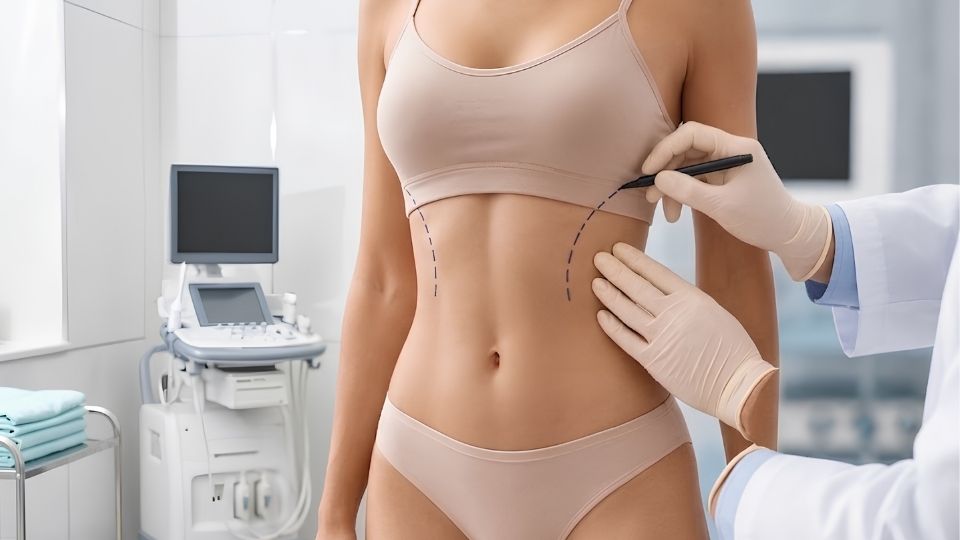
The surgery is done, your waist already looks narrower in the mirror, and now a practical question takes over: what do the next few weeks actually hold? Healing bone asks for patience in a way that soft-tissue procedures don’t, and knowing the timeline ahead is what turns uncertainty into a plan you can follow with confidence.
8 Min Read:
Rib remodeling recovery unfolds gradually over about six weeks to three months, though a narrower waist is visible immediately. Most patients return to desk work within one to two weeks, wear a corset for several months to support the healing ribs, and resume strenuous activity only after several months, once the ribs have knit. Because the procedure reshapes bone through a controlled fracture, patience through recovery is what protects your result.
What Rib Remodeling Recovery Involves
Rib remodeling reshapes the lower floating ribs and repositions them inward, so recovery is fundamentally about letting those controlled fractures heal in their new, narrower position. This is different from recovering from liposuction or a soft-tissue procedure, where the main concern is swelling. Here, healing bone sets the pace.
Two things define the experience: a corset that supports the ribs and helps cinch the waist, and a set of activity restrictions that protect the healing bone. Both exist for the same reason, to let the ribs set properly, which is what makes the narrower waistline permanent. Our rib remodeling surgery guide explains the procedure itself, and this article focuses on what comes after.
Your Week-by-Week Recovery Timeline
Recovery follows a predictable arc, and knowing the phases helps you gauge whether you’re on track.
Immediately After Surgery
The narrower waist is visible right away, which is one of the most satisfying parts of this procedure. You’ll also have some normal early swelling, soreness, and tightness across the mid-back where the small incisions sit. You’ll be fitted with a corset, and someone should drive you home and stay with you the first night. Prescribed medication keeps discomfort manageable from the start.
Days 1 to 7
The first week is about rest and gentle movement. Soreness and tightness are most noticeable now, especially when you twist or take a deep breath, since the lower ribs move with breathing. Short, gentle walks around the house keep circulation moving and lower the risk of clots. You’ll keep the corset on and avoid any lifting, bending, or twisting. Many patients step down from stronger pain medication toward the end of this week.
Weeks 1 to 2
Most patients return to desk work and light daily activity in this window. The visible waistline is still settling as early swelling recedes. You continue wearing the corset and still avoid strenuous movement, heavy lifting, and core exercises.
Weeks 2 to 6
Activity increases gradually under your surgeon’s guidance. You will continue to wear the first-stage corset until four weeks after surgery, at which point you will transition to the second-stage corset. Light aerobic exercise can commence at six weeks.
6 Weeks to 3 Months
The final, permanent contour settles as the last swelling resolves and the fractures complete healing. By the end of this window you’re returning to full activity, and the waistline you saw hints of on day one has fully emerged. This is when you see your true result. If you’re weighing whether the wait is worth it, our article on why consider rib remodeling covers the motivations in more depth.
Managing Swelling and Compression
The corset is the single most important tool in your recovery, so treat it as part of the treatment rather than an accessory.
It does two jobs at once: it supports the reshaped ribs while they heal, and it helps compress the waist inward so the new contour sets cleanly. Wearing it exactly as directed, often for around three months, directly affects how well your result holds. Swelling is normal and can linger for months, so don’t judge your final waistline at week two. The shape you see early is a preview; the finished result arrives as swelling fully clears.
Pain, Breathing, and What Feels Normal
Because the lower ribs move every time you breathe, some sensations are unique to this recovery, and knowing them prevents unnecessary worry.
Soreness with deep breaths, laughing, or coughing is normal in the early weeks, since those actions move the healing ribs. Tightness across the mid-back is expected. Most patients describe the discomfort as manageable and most noticeable in the first week, then steadily improving. Prescribed medication covers the early phase, and many people transition to over-the-counter relief within the first few days.
When to Call Your Surgeon
Most recoveries are smooth, but you should know the signs that warrant a call. Contact the office for worsening rather than improving pain, spreading redness or warmth at an incision, fever, difficulty breathing, or drainage that increases or smells foul. These are uncommon, and flagging them early makes them far easier to address. Dr. Hadeed reviews exactly what to watch for before you go home.
Returning to Exercise and Core Work
Getting back to the gym is a common question, and the honest answer is that patience pays off here.
Light walking starts early and is encouraged. Strenuous exercise, heavy lifting, and especially core and twisting movements wait several months after surgery, to ensure the ribs have healed adequately to tolerate the load. Returning too soon risks disturbing the healing fractures, which can compromise the result you’re recovering for. Your surgeon clears you to progress in stages, and following that timeline is what locks in the narrower waist. Many patients pair rib remodeling with liposuction of the flanks, and if you did, that soft-tissue recovery runs alongside the bone healing on a similar schedule.
Protecting Your Long-Term Result
Once healed, the reshaped ribs hold their new position permanently, so the waistline is lasting. There’s no special maintenance for the bone itself. As with any body-contouring result, keeping a stable weight preserves the surrounding contour, since significant weight gain around the midsection can soften the definition you achieved. For the full picture of how the procedure works and who it suits, the H-Curve® rib remodeling page and our rib remodeling candidacy guide are good next reads.
Frequently Asked Questions
How long does rib remodeling recovery take?
A narrower waist is visible right away, and most patients return to desk work within one to two weeks. The ribs continue healing over the following weeks, and the final result settles around three months.
How long do I wear the corset?
Most patients wear it for several months to support the ribs and help cinch the waist. Follow your surgeon’s specific instructions, since timing varies by case.
When can I exercise again?
Light walking starts early. Strenuous exercise, heavy lifting, and core work are usually held off for several months until the ribs have healed enough, with a gradual return guided by your surgeon.
Is recovery painful?
Expect soreness and tightness in the first week, well controlled with medication, with many people moving to over-the-counter relief within a few days. Because the ribs are reshaped through a controlled fracture, discomfort is most noticeable early and eases steadily.
Planning Your Rib Remodeling Recovery in Beverly Hills or Miami
A smoother recovery starts with a surgeon who maps it out before the first incision. Dr. Josef Hadeed, a board-certified plastic surgeon serving Beverly Hills and Miami, walks every H-Curve® rib remodeling patient through what to expect week by week. To talk through your timeline, call (310) 970-2940 or request a consultation online.
