
What Causes Lipedema? Understanding the Condition
Posted October 16, 2026 in Lipedema Surgery by Josef Hadeed, MD
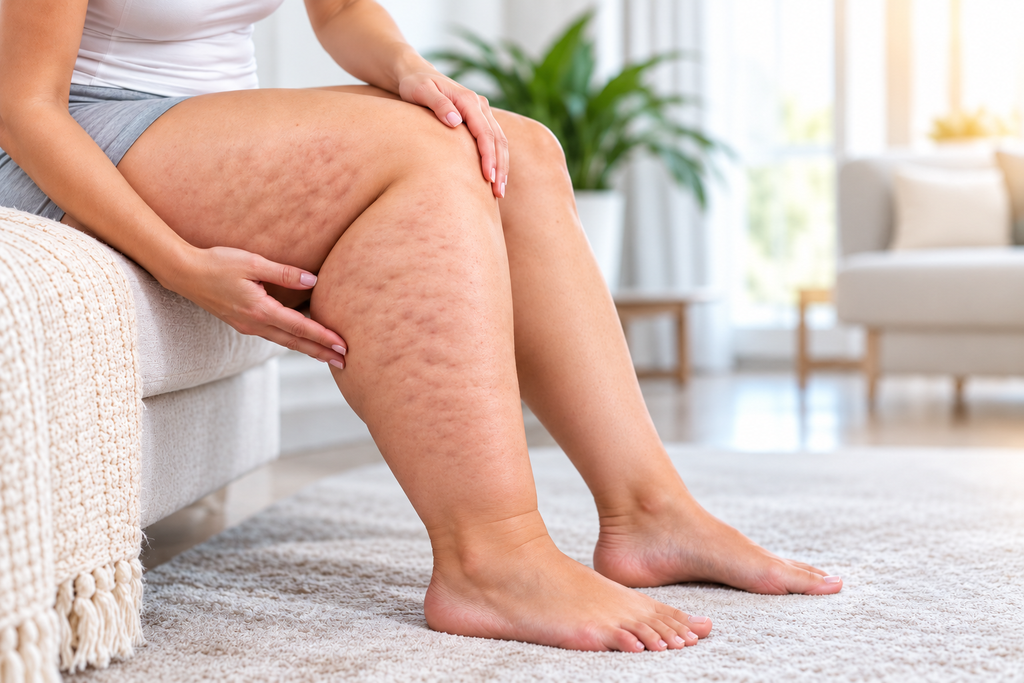
For years you may have blamed yourself for legs that wouldn’t slim down no matter what you tried, wondering what you were doing wrong. Here is the truth that reframes everything: you likely weren’t doing anything wrong at all. Lipedema has real, identifiable causes that have nothing to do with willpower, and understanding them is the first step toward self-compassion and treatment.
8 Min Read:
The exact cause of lipedema is not fully understood, but it is strongly linked to hormones and genetics. It most often appears or worsens during times of hormonal change, puberty, pregnancy, and menopause, and it tends to run in families. Lipedema affects women almost exclusively, which reinforces the hormonal connection. Importantly, it is not caused by overeating or lack of exercise. This article explains the known causes and risk factors, how the condition develops, and when treatment helps.
What Lipedema Actually Is
Understanding the cause starts with understanding what is being caused.
Lipedema is a chronic disorder in which abnormal, painful fat accumulates symmetrically, usually in the legs and sometimes the arms, while the hands and feet are spared. It affects an estimated 1 in 9 women. The fat is diseased tissue, tender to the touch and prone to easy bruising, and it resists diet and exercise. That resistance is one of the condition’s defining features and a major clue that this is not ordinary weight gain. Our lipedema surgery guide covers diagnosis and treatment in depth.
The Hormonal Connection
Hormones are the clearest thread in what we understand about lipedema’s causes.
The condition most often begins or worsens at moments of significant hormonal change. Puberty is the most common trigger, which is when many women first notice disproportionate leg fat developing. Pregnancy and menopause are the other two windows when the condition frequently appears or accelerates. This pattern, tied so consistently to shifts in estrogen and other hormones, is a major reason researchers believe hormones play a central role. It also explains why lipedema affects women almost exclusively.
Why It Affects Women Almost Exclusively
The near-total predominance in women is itself a clue. Because the condition tracks so closely with female hormonal milestones, the hormonal environment appears to be a key part of how it develops. Men very rarely develop lipedema, and when they do, it is usually associated with conditions that alter their hormone balance.
The Genetic Link
Lipedema frequently runs in families, which points to genetics as a second major factor.
Many patients can name a mother, sister, aunt, or grandmother with the same symmetric, column-like leg fat and the same lifelong struggle to slim it. This familial pattern strongly suggests an inherited component, even though the specific genes involved are still being studied. If lipedema runs in your family, recognizing the pattern early can help you seek evaluation before the condition advances. Our article on lipedema stages explains how it progresses over time.
What Lipedema Is Not Caused By
Clearing up the misconceptions matters, because so many patients carry unnecessary guilt.
Lipedema is not caused by overeating, laziness, or lack of discipline. The diseased fat does not behave like ordinary fat, and it does not respond to the calorie deficits that reduce normal fat. This is exactly why patients who eat well and exercise faithfully still see no change in the affected areas. Being told for years to simply try harder is a common and painful experience, and it reflects a misunderstanding of the condition rather than a failing on the patient’s part.
How Lipedema Differs From Simple Weight Gain
The distinction is practical, not just reassuring. Ordinary fat is distributed more evenly and shrinks with weight loss. Lipedema fat is disproportionate, symmetric, tender, and stubbornly resistant to diet and exercise. It can also be confused with lymphedema, a different condition involving fluid buildup. Our article on lipedema vs lymphedema explains how to tell them apart, which matters because the treatments differ.
When Treatment May Help
Understanding the cause naturally leads to the question of what to do about it.
Because lipedema is driven by hormones and genetics, it cannot reliably be prevented, and there is no cure. But it can be managed and treated effectively. Conservative care, including compression, manual lymphatic drainage, exercise, and an anti-inflammatory diet, helps control symptoms. When those measures are not enough, lymphatic-sparing liposuction removes the diseased fat and relieves pain, heaviness, and restricted movement. Early diagnosis gives you more options, so recognizing the cause is genuinely the first step toward relief. Dr. Hadeed evaluates each patient to build a treatment plan around their stage and symptoms.
Frequently Asked Questions
What causes lipedema?
The exact cause is not fully understood, but it is strongly linked to hormones and genetics. It most often appears or worsens during puberty, pregnancy, and menopause, and it tends to run in families. It affects women almost exclusively.
Is lipedema genetic?
It often runs in families, which points to a genetic component. Many patients have a mother, sister, or grandmother with the same symmetric leg fat, though the specific genes are still being studied.
Is it caused by being overweight?
No. Lipedema is a distinct disorder of diseased fat, not a result of overeating or lack of exercise. The fat resists diet and exercise, which distinguishes it from ordinary weight gain.
Can lipedema be prevented?
Because it is driven largely by hormones and genetics, it cannot reliably be prevented. Early diagnosis and management can slow progression and relieve symptoms, which is why recognizing it early matters.
Understand Your Lipedema in Beverly Hills or Miami
If disproportionate, painful leg fat has never made sense despite your best efforts, the reason may finally be within reach, and so is relief. Dr. Josef Hadeed, a board-certified plastic surgeon in Beverly Hills and Miami, treats lipedema with lymphatic-sparing techniques and can explain what is driving your symptoms. Reach the team at (310) 970-2940 or request a consultation online.
