
Does Insurance Cover Lipedema Surgery?
Posted September 07, 2026 in Lipedema Surgery by Josef Hadeed, MD
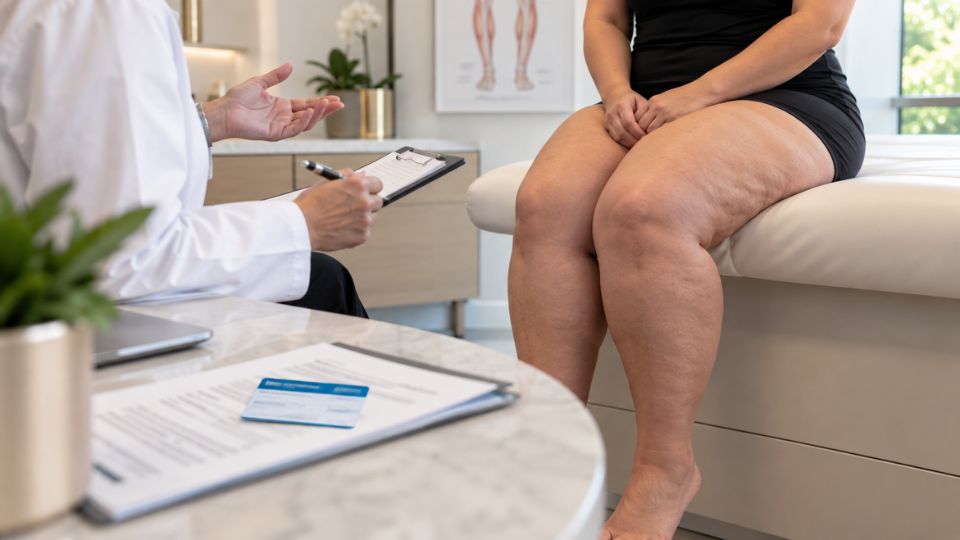
You finally have a name for what your body has been doing, and a treatment that actually helps. Then the next worry lands: how on earth will you pay for it, and will insurance see this as the medical condition it is or wave it off as cosmetic? That uncertainty is exhausting on top of everything else, so let’s get you clear answers.
9 Min Read:
Lipedema surgery is sometimes covered by insurance, but not always. Because lipedema is a recognized medical condition, some insurers cover lymphatic-sparing liposuction when conservative treatment has failed and medical necessity is documented. Coverage varies widely by plan, and many patients face an appeals process. This article explains when coverage applies, why it can be denied, how medical necessity is documented, and what drives the out-of-pocket cost.
Why Coverage Is Complicated
Lipedema sits in a frustrating gray zone, and understanding why helps you navigate it.
The surgery that treats lipedema is liposuction, and insurers often associate liposuction with cosmetic body contouring, which they do not cover. But lipedema liposuction is fundamentally different. It removes diseased, painful adipose tissue to relieve symptoms and restore mobility, not to reshape healthy fat for appearance. That distinction is the entire basis for coverage, and making it clearly, with documentation, is what separates an approval from a denial. Our lipedema surgery guide explains the medical condition in depth, and this article focuses on the financial side.
Is Lipedema Surgery Cosmetic or Medical?
It is medical. Lipedema is a chronic disorder in which abnormal fat accumulates symmetrically, causing pain, heaviness, easy bruising, and limited mobility. Treating it addresses genuine physical symptoms, which is the textbook definition of a medically necessary procedure. The challenge is that the tool, liposuction, is shared with cosmetic surgery, so the burden falls on you and your surgeon to document the medical purpose.
When Insurance May Cover Lipedema Surgery
Coverage is most likely when a specific set of conditions is met, and knowing them helps you build a strong case.
Insurers are more inclined to approve when you have a formal lipedema diagnosis, when your symptoms are documented and significant, and when you have already tried conservative treatments without adequate relief. That conservative-care step matters. Most insurers want to see that compression garments, manual lymphatic drainage, exercise, and dietary measures were attempted first. Demonstrating that these helped manage but did not resolve your symptoms strengthens the argument that surgery is the next necessary step.
The Role of Stage and Symptoms
More advanced stages, with larger tissue masses, mobility limits, or lymphatic involvement, tend to make the medical case clearer. Documented pain, difficulty walking, recurrent infections, or joint strain all support necessity. Our article on lipedema stages explains how the condition progresses, which is often part of the clinical picture insurers review.
How Medical Necessity Gets Documented
This is where the outcome is often won or lost, so it deserves real attention.
A strong medical-necessity file usually includes your lipedema diagnosis from a qualified clinician, clinical photos, and a record of your symptoms over time, such as pain levels, swelling, and functional limitations. It also documents the conservative treatments you tried and their results. Some insurers request specific measurements or a letter of medical necessity from your surgeon. Dr. Hadeed’s office works with patients to assemble this documentation, because a well-built file is far more persuasive than a bare request.
What to Expect From the Appeals Process
Denials are common on the first submission, and they are not the end of the road. Many lipedema patients succeed on appeal by supplying additional documentation, a detailed letter of medical necessity, or peer-reviewed support for lymphatic-sparing liposuction as the standard treatment. Persistence matters here. A first “no” often reflects an insurer’s default assumption about liposuction rather than a final judgment on your case.
What Drives the Cost of Lipedema Surgery
Whether or not insurance participates, understanding cost helps you plan.
Several factors shape the total. The number of body areas affected and the stage of your condition determine how much tissue must be removed. Because lipedema commonly involves the legs, hips, and sometimes arms, treatment is frequently staged across more than one procedure, and each surgery carries its own surgical, anesthesia, and facility fees. The surgeon’s experience with lymphatic-sparing technique also factors in, and it is not a place to cut corners, since protecting the lymphatic system is central to a safe result.
Why More Than One Surgery Affects Cost
The number of procedures varies widely and depends on your stage and how much of the body is involved. A more limited case may be handled in fewer sessions, while extensive involvement requires several. Since each session has its own costs, the total reflects your full treatment plan rather than a single fixed price. Dr. Hadeed maps out the expected number of stages during consultation so you can plan financially with a clear picture.
Practical Steps to Improve Your Odds
You have more influence over the outcome than it may feel like, and a few steps make a real difference.
Start by getting a formal diagnosis and keeping thorough records of your symptoms and the conservative treatments you have tried. Request a detailed letter of medical necessity from your surgeon. Contact your insurer to understand your specific plan’s criteria and pre-authorization requirements before scheduling. And if you are denied, appeal, because many approvals come only after persistence. Working with a practice experienced in lipedema surgery documentation gives you a meaningful advantage.
Frequently Asked Questions
Does insurance cover lipedema surgery?
Sometimes. Because lipedema is a recognized medical condition, some insurers cover lymphatic-sparing liposuction when conservative treatment has failed and medical necessity is documented. Coverage varies widely by plan, so verification is essential.
How do I prove it’s medically necessary?
Typically with a diagnosis, photos, symptom records like pain and mobility limits, and evidence that conservative treatments such as compression and manual lymphatic drainage were tried without adequate relief. Your surgeon’s office helps compile this.
Why is it sometimes considered cosmetic?
Because the surgery uses liposuction, some insurers default to viewing it as cosmetic. The difference is that lipedema liposuction treats a diseased, painful fat disorder to relieve symptoms, not to reshape healthy tissue, which is the basis for an appeal.
What affects the cost?
The number of areas and stages treated, how many procedures your case requires, anesthesia and facility fees, and your surgeon’s experience. Because lipedema often affects large areas treated across more than one surgery, total cost reflects the full plan.
Get Clarity on Lipedema Surgery in Beverly Hills or Miami
The financial questions are easier to face with a surgeon’s team that knows how to document your case. Board-certified plastic surgeon Dr. Josef Hadeed treats lipedema in Beverly Hills and Miami and helps patients build the medical-necessity file that insurers look for. To map out your plan and options, call (310) 970-2940 or request a consultation online.
