
Lipedema vs Lymphedema: How to Tell the Difference
Posted September 05, 2026 in Lipedema Surgery by Josef Hadeed, MD
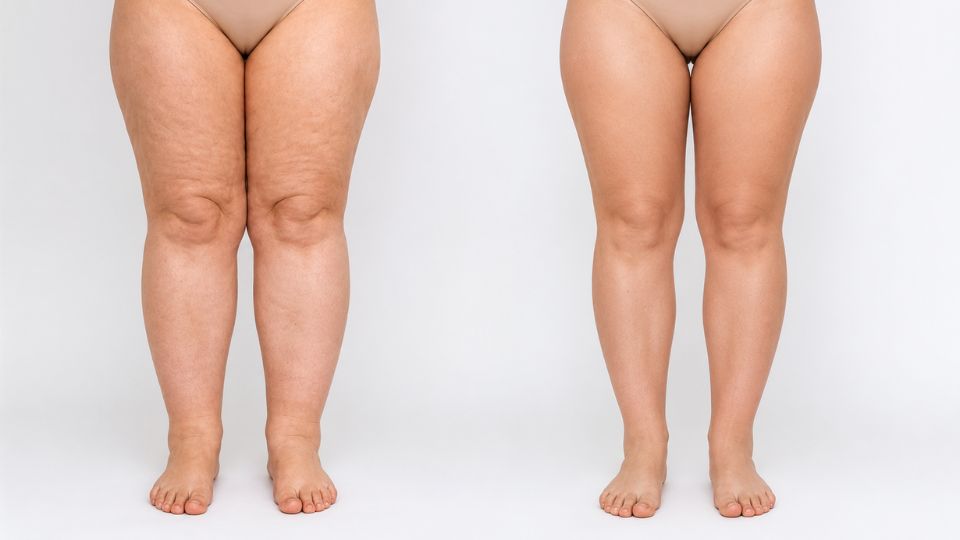
You’ve been told your leg swelling is one thing, then another, and the conflicting answers are exhausting. Lipedema and lymphedema get confused constantly, even in medical settings, yet they are different conditions that call for different care. Sorting out which one you have, or whether you have both, is the step that finally points you toward the right treatment.
8 Min Read:
The core difference is this: lipedema is a disorder of abnormal, painful fat that is symmetric and spares the feet, while lymphedema is a buildup of lymphatic fluid that often involves the feet and can be one-sided. They differ in cause, symptoms, and treatment, though in advanced cases they can coexist. Telling them apart matters because the right treatment depends on getting the diagnosis right.
Two Conditions That Look Similar
Both conditions can cause enlarged, heavy legs, which is why they are so often confused, but the underlying problems are entirely different.
Lipedema is a problem of fat. It is a chronic disorder in which diseased adipose tissue accumulates abnormally, and it affects an estimated 1 in 9 women. Lymphedema is a problem of fluid. It results from a compromised lymphatic system that cannot drain fluid properly, causing it to collect in the tissues. One is fat, the other is fluid, and that distinction drives everything else. Our lipedema surgery guide covers lipedema in depth, and this article focuses on how to distinguish it from lymphedema.
The Key Differences
Several telltale features separate the two, and you can recognize many of them yourself.
Symmetry
Lipedema is symmetric. It affects both legs, or both arms, in a mirror-image pattern. Lymphedema is frequently one-sided, affecting a single limb, especially when it results from surgery, radiation, or injury to the lymphatic system on one side.
Whether the Feet Are Involved
This is one of the clearest tells. Lipedema spares the feet, often creating a distinct “cuff” or bracelet-like cutoff at the ankle where the affected fat stops. Lymphedema commonly involves the feet and toes, and a classic sign is the inability to pinch a fold of skin at the base of the second toe, known as the Stemmer sign.
Pain and Bruising
Lipedema fat is characteristically tender and bruises easily. Lymphedema is usually not painful in the same way, though it can feel heavy and tight. If your enlarged areas hurt to the touch and bruise readily, that points toward lipedema.
How the Swelling Behaves
Lymphedema fluid may temporarily improve with elevation and compression, at least early on, because it is fluid that can be moved. Lipedema fat does not shrink with elevation, diet, or exercise, because it is diseased tissue rather than fluid.
When They Overlap: Lipo-lymphedema
Here is where it gets more complex, and why the two conditions are genuinely linked.
In advanced lipedema, the accumulated diseased fat can begin to obstruct lymphatic drainage, leading to secondary lymphedema. This combined state is called lipo-lymphedema, and it corresponds to what is often described as stage 4 lipedema. When both are present, the legs show features of each: the symmetric, tender fat of lipedema plus the fluid buildup of lymphedema. Our article on lipedema stages explains how the condition progresses toward this overlap, which is a major reason early evaluation is valuable.
Why the Distinction Changes Treatment
Getting the diagnosis right is not academic. It determines what actually helps you.
Lipedema is treated with lymphatic-sparing liposuction to remove the diseased fat, alongside conservative care. Lymphedema centers on managing fluid through compression, manual lymphatic drainage, and specialized therapy, since removing fat is not the core issue. When both conditions coexist, the plan must address both: careful surgery for the fat and ongoing lymphatic management for the fluid. Dr. Hadeed evaluates which condition, or combination, is present before recommending treatment, because a plan built for the wrong diagnosis will not deliver relief.
How a Diagnosis Is Confirmed
You can spot many clues at home, but a clinical evaluation is what confirms the picture.
A specialist assesses symmetry, foot involvement, tenderness, bruising, and how the swelling responds to elevation and compression. In some cases, imaging of the lymphatic system helps clarify the extent of any lymphatic involvement. This assessment sorts out lipedema, lymphedema, or lipolymphedema, and sets the direction for treatment. If years of conflicting explanations have left you unsure, a focused evaluation is how you finally get clarity.
Frequently Asked Questions
What is the difference between lipedema and lymphedema?
Lipedema is a disorder of abnormal, painful fat that is symmetric and spares the feet. Lymphedema is a buildup of lymphatic fluid that often involves the feet and can be one-sided. They differ in cause, symptoms, and treatment, though they can coexist.
Can you have both?
Yes. In advanced lipedema, the diseased fat can obstruct lymphatic drainage and lead to lymphedema, a combined state called lipo-lymphedema. This is why early evaluation and management of lipedema matter.
How do doctors tell them apart?
They look at symmetry, whether the feet are involved, tenderness, bruising, and how the swelling behaves. Lipedema is symmetric, tender, and spares the feet, while lymphedema often affects the feet and can be one-sided. A clinical exam confirms it.
Does lymphedema respond to lipedema surgery?
Lipedema surgery uses lymphatic-sparing liposuction to remove diseased fat. When lymphedema is also present, lymphatic management like compression and manual drainage remains essential alongside any surgery, and the plan is tailored to both.
Get a Clear Diagnosis in Beverly Hills or Miami
If you’ve been going in circles trying to name what’s happening to your legs, a focused evaluation can finally sort it out. Dr. Josef Hadeed, a board-certified plastic surgeon in Beverly Hills and Miami, distinguishes lipedema from lymphedema and builds a treatment plan around what you actually have. Start with a call to (310) 970-2940 or book a consultation online.
