
Lipedema Surgery: Treatment Options and Recovery
Posted August 25, 2026 in Lipedema Surgery by Josef Hadeed, MD
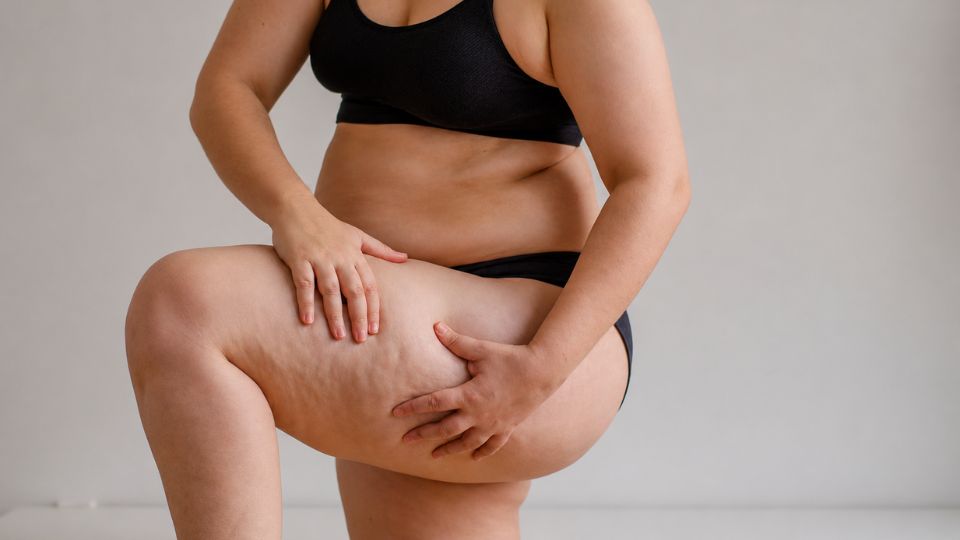
For years, maybe decades, you may have been told the answer was simply to eat less and move more. You tried. You did everything right, and still your legs stayed heavy, tender, and disproportionate to the rest of you. If that struggle sounds like your life, the problem may never have been willpower. It may be lipedema, and there is real, effective treatment for it.
10 Min Read:
Lipedema surgery is a specialized, lymphatic-sparing liposuction that removes the diseased, painful fat characteristic of lipedema to relieve symptoms and improve mobility. It is not a cure, but it offers durable relief that diet, exercise, and conservative care alone cannot, and it is the most effective treatment available for the condition. This guide explains what lipedema is, how surgery works, who benefits, what recovery involves, and how to choose the right surgeon.
What Is Lipedema?
Lipedema is a chronic disorder in which abnormal fat builds up symmetrically, usually in the legs and sometimes the arms, while the feet and hands stay unaffected.
This creates a distinctive disproportion: heavy, column-like legs above narrow ankles, often with a visible “cuff” where the affected fat stops. The fat is not ordinary fat. It is diseased adipose tissue that is tender to the touch, bruises easily, and stubbornly resists diet and exercise. That resistance is the cruel signature of the condition, because it means the usual advice simply does not work.
Lipedema affects an estimated 1 in 9 women in the United States, yet it remains widely misdiagnosed as ordinary obesity or confused with lymphedema, a different disorder of the lymphatic system. Recognizing lipedema for what it is becomes the first real step toward relief.
What Causes Lipedema?
The exact cause is not fully understood, but hormones play a clear role. Lipedema most often appears or worsens at times of hormonal change: puberty, pregnancy, and menopause. It also tends to run in families, pointing to a genetic component. It affects women almost exclusively, which reinforces the hormonal connection.
How Is Lipedema Different From Lymphedema?
This distinction matters for treatment. Lipedema is a disorder of fat distribution that is symmetric and spares the feet. Lymphedema is a buildup of lymphatic fluid that often affects the feet and can be one-sided. The two can coexist in advanced cases, a state called lipolymphedema, where diseased fat begins to obstruct lymphatic drainage. Dr. Hadeed evaluates which condition, or combination, is present before recommending treatment.
The Stages of Lipedema
Lipedema progresses through recognizable stages, and knowing yours helps guide treatment.
In stage 1, the skin surface is smooth, but the fat layer beneath is enlarged. In stage 2, the skin becomes uneven with nodules of fatty tissue you can feel under the surface. In stage 3, larger lobular deformations of tissue develop, which can affect the shape of the legs and limit mobility. Left unaddressed over many years, the disease can progress to stage 4, where lymphedema sets in and the lymphatic system becomes impaired, which is why early evaluation is valuable.
Non-Surgical Lipedema Treatment
Conservative care is often the starting point, and it manages symptoms without removing the diseased fat.
The mainstay is complex decongestive therapy, which combines manual lymphatic drainage (a specialized massage that encourages fluid movement), compression garments, exercise, and skin care. An anti-inflammatory diet and low-impact activity like swimming can reduce discomfort and swelling. These measures genuinely help, and they remain important both before and after surgery.
But here is the honest limit: conservative care cannot remove the abnormal fat. It manages the condition. It does not reverse it. For many patients, symptoms keep progressing despite doing everything right, and that is when surgery becomes the logical next step.
How Lipedema Surgery Works
Surgical lipedema treatment uses liposuction that has been specifically modified to protect the lymphatic system.
This is not cosmetic liposuction, and the difference is central. An experienced lipedema surgeon uses gentle, lymphatic-sparing techniques to remove the diseased fat while preserving the delicate lymphatic vessels that run through it. This kind of specialized body expertise is the same standard Dr. Hadeed brings to complex cases like biopolymer injection removal. Approaches such as tumescent, water-assisted, and power-assisted liposuction allow the surgeon to extract the abnormal tissue while minimizing trauma to surrounding structures. The goal is symptom relief and restored function, with improved shape as a welcome result rather than the sole aim.
Why More Than One Surgery Is Often Needed
Because lipedema typically affects large areas, the legs, hips, and sometimes arms, patients often need more than one session. The number of procedures varies widely and depends on the stage of lipedema and how much of the body is involved, so there is no single answer that fits everyone. Dr. Hadeed maps out a staged plan so you know from the start roughly how many procedures your case is likely to require.
What Surgery Can and Cannot Do
Surgery removes the diseased fat and, with it, the pain, heaviness, and restricted movement that fat causes. What it does not do is cure the underlying condition. Because lipedema is driven partly by hormones and genetics, new abnormal fat can develop over time with hormonal shifts, aging, or significant weight gain. Understanding this keeps expectations honest and helps you protect your result with ongoing conservative care.
What the Research Shows
The evidence for lipedema surgery is genuinely encouraging, which is worth knowing when you weigh the decision.
Studies of lipedema reduction surgery report pain dropping dramatically, on some standard pain scales from around 7 down to 2, along with improved mobility and quality of life. Follow-up research has found that benefits in pain, swelling, and movement can persist for years, in some cases well over a decade. This durability is a major reason surgery is considered the most effective treatment for symptomatic lipedema.
Lipedema Surgery Recovery
Recovery is an active, managed process, not a passive wait, and knowing the phases helps you prepare.
Weeks 1 to 2: Expect soreness, swelling, and bruising. You wear compression garments to control swelling and support healing, and gentle walking begins early to keep circulation and lymphatic flow moving.
Weeks 2 to 6: You resume manual lymphatic drainage to help fluid clear and gradually return to normal activity. Compression continues. Many patients notice pain relief emerging even as swelling persists.
3 to 6 Months: Swelling settles, and the results become clear. If your plan is staged, the next procedure is typically scheduled once you have healed from the previous one.
Recovery varies with how many areas were treated and the stage of your condition. Because lymphatic drainage and compression are so central here, following the aftercare plan closely directly shapes how well you heal.
Choosing the Right Lipedema Surgeon
This is specialized surgery, and the surgeon’s expertise directly affects both your safety and your relief.
Look for a board-certified plastic surgeon with specific experience in lipedema and lymphatic-sparing techniques, not simply cosmetic liposuction. Ask how many lipedema patients they treat, how they protect the lymphatic system, and how they plan staged surgery. A surgeon who understands lipedema as a medical condition and who is honest that surgery relieves rather than cures it is the one to trust. Dr. Hadeed, who is board certified in plastic surgery, approaches lipedema with that education-first, symptom-focused mindset.
Frequently Asked Questions
Does lipedema surgery cure the condition?
No, but it provides long-lasting relief. Studies show reduced pain, swelling, and improved mobility that can persist for years, though hormonal changes, aging, or weight gain may cause new lipedema fat over time.
How is it different from cosmetic liposuction?
Lipedema liposuction uses gentle, lymphatic-sparing techniques to remove diseased fat while protecting lymphatic vessels, targeting painful lipedema fat for symptom relief rather than cosmetic contouring alone.
How many surgeries will I need?
The number varies widely and depends on your stage and how much of the body is involved. Stage 1 may be addressed in fewer sessions, while most patients have stage 2 or 3 and need multiple surgeries to treat all affected areas safely.
Is it covered by insurance?
Coverage varies. Because lipedema is a recognized medical condition, some insurers cover surgery when conservative care has failed and medical necessity is documented. Verify your specific plan first.
What is recovery like?
Expect compression garments, manual lymphatic drainage, and a gradual return to activity over several weeks, with swelling settling over months and meaningful pain relief as you heal.
Answers That Finally Fit What You’ve Lived With
If painful, disproportionate leg fat has never made sense no matter what you tried, an evaluation can give you the explanation and the relief you’ve been missing. Dr. Josef Hadeed treats lipedema with lymphatic-sparing techniques at his Beverly Hills and Miami practices, and he’ll tell you honestly what surgery can do for your stage. Take that first step at (310) 970-2940 or by booking a consultation.
