
What Causes Gynecomastia? Causes and Solutions
Posted September 11, 2026 in Services for Men by Josef Hadeed, MD
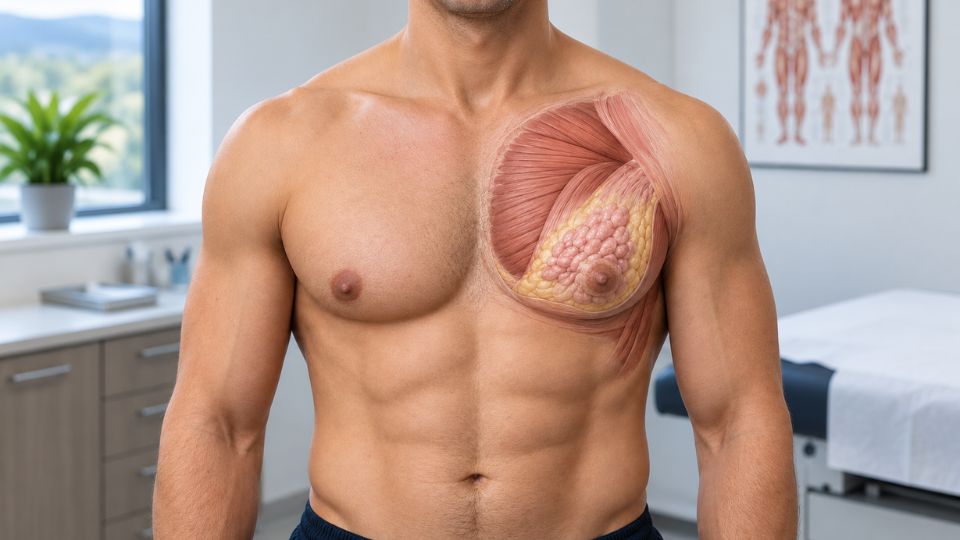
You’ve eaten clean, trained hard, and still that fullness across your chest hasn’t budged. It’s frustrating in a way that’s hard to explain to anyone, because it can feel like your own body is working against you. Here’s the reassuring part: gynecomastia almost always has an identifiable cause, and understanding yours is the first step toward finally resolving it.
9 Min Read:
Gynecomastia is caused by an imbalance between estrogen and testosterone that leads glandular breast tissue in men to overgrow. The most common triggers are puberty, aging, certain medications, anabolic steroids, marijuana, and some medical conditions. The right solution depends on the cause: if a medication or condition is responsible, addressing it may help, but established glandular tissue usually requires surgery to remove. This article covers each cause and what actually resolves it.
The Root Cause: A Hormonal Imbalance
Nearly every case traces back to one underlying mechanism, so that is where to start.
Gynecomastia develops when the balance between estrogen, the hormone that stimulates breast tissue, and testosterone, which suppresses it, tips toward estrogen. When that happens, the glandular breast tissue behind the nipple overgrows, forming a firm, rubbery mass. This is true gynecomastia, and it is different from simple chest fat. Many things can shift that hormonal balance, which is why the condition has so many potential triggers. Our complete guide to gynecomastia surgery covers the condition and its treatment in full.
Gynecomastia vs Chest Fat
Before chasing causes, it helps to know which problem you have. Glandular tissue feels firm and sits directly under the nipple, and it does not shrink with weight loss. Chest fat is soft, spreads across the chest, and responds to diet and exercise. Many men have both. Our article on gynecomastia vs chest fat explains how to tell the difference, which matters because it changes the solution entirely.
The Common Causes of Gynecomastia
Several distinct triggers can tip the hormonal balance, and identifying yours guides treatment.
Puberty
Adolescent hormonal fluctuations are the single most common cause. Many teenage boys develop some breast tissue as estrogen and testosterone levels swing during puberty. The reassuring news is that pubertal gynecomastia often resolves on its own within a couple of years as hormones stabilize. When it persists into adulthood, though, it rarely disappears without treatment.
Aging
Hormone levels shift again later in life. As men age, testosterone tends to decline while relative estrogen levels rise, and body fat, which converts testosterone into estrogen, often increases. This combination makes gynecomastia more common in older men, sometimes appearing for the first time in midlife or beyond.
Medications and Substances
A range of drugs can contribute. Anabolic steroids are a well-known trigger, which is why gynecomastia appears among some bodybuilders. Marijuana use is associated with it as well. Certain prescription medications, including some anti-androgens, heart and blood pressure drugs, and ulcer medications, can also play a role. When a medication is the cause and the tissue is caught early, adjusting it under a doctor’s guidance may help.
Medical Conditions
Underlying health issues sometimes drive gynecomastia. Conditions affecting the liver, kidneys, or thyroid can disrupt hormone balance, and certain rarer conditions and tumors can as well. This is one reason a proper evaluation matters. Dr. Hadeed reviews your history and medications to identify any reversible or medically significant cause before recommending treatment.
When to See a Doctor
Some presentations warrant a professional evaluation sooner rather than later.
See a doctor if chest fullness has persisted more than a year, if you feel a firm mass under the nipple, if there is tenderness or a one-sided change, or if the growth is rapid. A hard, fixed, or quickly enlarging mass should always be examined promptly, since chest changes occasionally signal other conditions that need ruling out. Getting evaluated gives you both peace of mind and a clear path forward.
What Actually Resolves Gynecomastia
The right solution depends entirely on the cause, and being clear-eyed about this saves a lot of wasted effort.
If a specific medication or medical condition is responsible and the tissue is caught early, addressing the underlying cause can sometimes reverse or limit the growth. But here is the honest reality: once glandular tissue has established, it does not shrink with diet, exercise, or hormone adjustments. It is firm, fibrous tissue that behaves differently from fat. For persistent true gynecomastia, gynecomastia surgery is the reliable, permanent solution, removing the glandular tissue through a discreet incision, often combined with liposuction to refine the contour. Because the removed gland does not regenerate, results are lasting.
Why Diet and Exercise Alone Fall Short
Men often spend years trying to train away gynecomastia, and it is a source of real frustration. Weight loss reduces chest fat, which helps if fat is part of the picture, but it cannot remove glandular tissue. If a firm disc remains under the nipple even when you are lean, that tissue will stay until it is surgically removed. Understanding this is what finally moves many men from endless effort to an actual solution.
Frequently Asked Questions
What causes gynecomastia?
An imbalance between estrogen and testosterone that leads glandular breast tissue to overgrow. Common triggers include puberty, aging, certain medications, anabolic steroids, marijuana, and some medical conditions affecting the liver, kidneys, or thyroid.
Does gynecomastia go away on its own?
Pubertal gynecomastia often resolves within a couple of years. When it persists into adulthood or is caused by glandular overgrowth, it rarely goes away without treatment, because established glandular tissue does not shrink with diet or exercise.
Can medications cause gynecomastia?
Yes. Anabolic steroids, some anti-androgens, certain heart and ulcer medications, and marijuana can all contribute. If a medication is the cause, adjusting it under a doctor’s guidance may help, though established tissue often still requires surgery.
How do I get rid of it for good?
If the fullness is glandular, surgery is the reliable, permanent solution, since the removed tissue does not grow back. If it is only fat, weight loss or liposuction may resolve it. A consultation determines whether you have gland, fat, or both.
Find the Cause and the Solution in Beverly Hills or Miami
Understanding why gynecomastia happens is the first step. Resolving it is the next, and it starts with knowing whether your fullness is gland, fat, or both. Dr. Josef Hadeed, a board-certified plastic surgeon in Beverly Hills and Miami, will pinpoint the cause and lay out your options. Call (310) 970-2940 or request a consultation online.
