
Complete Guide to Gynecomastia Surgery
Posted August 26, 2026 in Services for Men by Josef Hadeed, MD
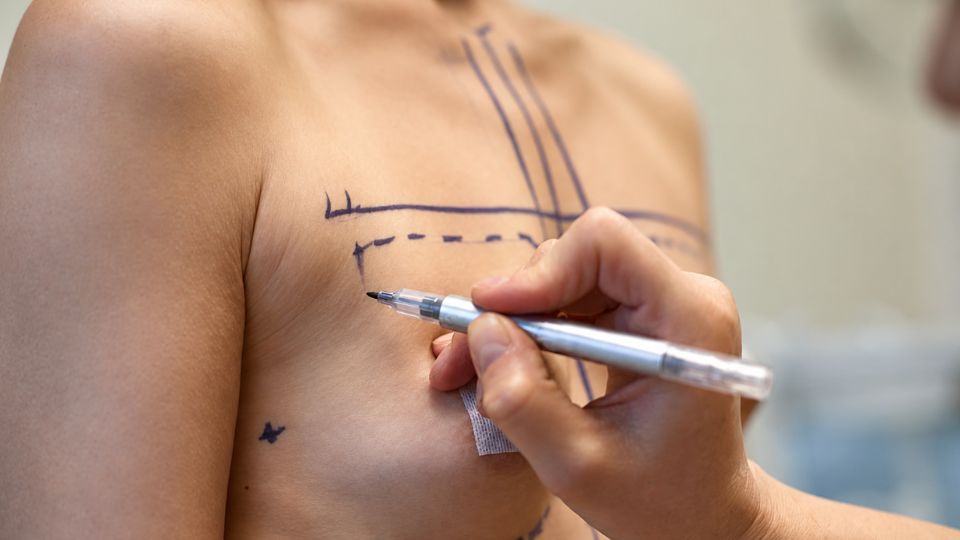
For many men, gynecomastia is far more than a cosmetic concern. It shapes which shirts feel safe to wear, whether the shirt comes off at the pool, and how present you feel in your own body. Some men skip the gym to avoid the locker room. Others have carried this since their teens, quietly assuming nothing could be done. Something can.
10 Min Read:
Gynecomastia surgery, also called male breast reduction, removes excess glandular tissue and fat from the chest to create a flatter, firmer, more masculine contour. Because the glandular tissue is physically removed, the results are permanent for most men. This guide covers what gynecomastia is, what causes it, how surgery works, what recovery looks like, what it costs, and how to choose the right surgeon.
What Gynecomastia Actually Is
Gynecomastia is the enlargement of male breast tissue, and it is far more common than most men assume. Estimates suggest a large share of men experience some degree of it during their lives.
True gynecomastia occurs when the glandular breast tissue overgrows. It forms a firm, rubbery mass beneath and around the nipple, and it can affect one side or both. This is different from what doctors call pseudogynecomastia, which is simply excess fat in the chest without glandular overgrowth. The two often coexist, and telling them apart is central to choosing the right operation.
How Do I Know If It’s Gland or Just Fat?
The simplest tell is texture. Glandular tissue feels firm and rubbery and sits directly under the nipple, while fat feels soft and spreads more evenly across the chest. Fat responds to weight loss. Glandular tissue does not, no matter how lean you get. If a firm disc remains under the nipple after you have slimmed down, that is glandular tissue, and it usually needs surgery. Our full breakdown of gynecomastia vs chest fat walks through how to tell the difference at home.
What Causes Gynecomastia?
Gynecomastia comes down to a hormonal imbalance between estrogen and testosterone, and several things can tip that balance.
Puberty is the most common trigger, and adolescent gynecomastia often resolves on its own within a couple of years. When it persists into adulthood, it rarely goes away without treatment. Aging shifts hormone levels too, which is why gynecomastia can appear later in life. Certain medications, anabolic steroids, marijuana, and some medical conditions affecting the liver, kidneys, or thyroid can also contribute. Board-certified plastic surgeon Dr. Josef Hadeed reviews your history and medications to identify any reversible cause before recommending surgery.
When Should You See a Doctor?
Persistent chest fullness that has lasted more than a year, a firm mass under the nipple, tenderness, or any one-sided change deserves evaluation. A rapidly growing or hard, fixed mass should always be examined promptly, since chest changes occasionally signal other conditions that need ruling out.
How Gynecomastia Treatment Works
The surgical technique depends on what is creating the fullness, which is why the consultation and exam matter so much.
When the fullness is mostly fat, liposuction alone can flatten the chest through tiny incisions. But glandular tissue is firm and fibrous, and liposuction alone cannot fully remove it. In those cases, Dr. Hadeed adds a small excision to remove the gland directly, usually through a discreet incision at the lower edge of the areola where scars hide well. Most men need a combination: liposuction to refine the contour and blend the edges and excision to remove the gland itself.
For men with significant skin excess, often after major weight loss, additional skin tightening may be part of the plan. The gynecomastia surgery approach is matched to your anatomy rather than applied from a template. For a deeper look at the operation and healing, see our article on gynecomastia surgery treatment, recovery, and results.
Grades of Gynecomastia
Surgeons often describe gynecomastia in grades, from mild (a small amount of tissue around the areola) to severe (significant enlargement with skin excess resembling a female breast contour). The grade helps guide whether liposuction, excision, or skin tightening is needed. Higher grades generally call for more comprehensive surgery, which is worth knowing when you research your own case.
Male Breast Reduction Results
Results are visible immediately and continue improving as swelling resolves over the following months.
Because the removed glandular tissue does not regenerate, the outcome is durable. Research suggests around 90 percent of patients remain gynecomastia-free a decade later. Protecting that result comes down to maintaining a stable weight and avoiding anabolic steroids and other triggers. For most men, the change is not subtle: a chest that finally matches the effort they put in at the gym, and clothing that fits the way they want. Many men pair chest surgery with broader male body contouring for a balanced physique.
Gynecomastia Surgery Recovery
Recovery is more comfortable than most men expect, and knowing the phases helps you plan around work and training.
Days 1 to 7: Expect soreness, swelling, and tightness. Most men return to desk work within a few days and wear a compression vest that supports healing and helps shape the chest.
Weeks 2 to 4: Swelling steadily improves and light activity resumes. Heavy lifting and chest workouts stay off-limits.
Weeks 4 to 6: Most men return to full exercise, including chest training, once cleared by their surgeon.
3 to 6 Months: The final chest contour settles as the last swelling fades and the tissue softens.
Compression is central here. Wearing the garment as directed controls swelling and helps the skin conform to the new, flatter shape.
What Does Gynecomastia Surgery Cost?
Cost is a fair and common question, and the honest answer is that it varies.
Pricing depends on the complexity of your case, whether liposuction, excision, or both are needed, the surgeon’s experience, and the geographic location of the practice. Because gynecomastia surgery is usually classified as cosmetic; it is often not covered by insurance, though documented pain or an underlying medical cause occasionally allows partial coverage. Dr. Hadeed’s team reviews the specifics during consultation so you have a clear number rather than a guess.
Choosing the Right Surgeon
This is a procedure where the surgeon’s judgment and experience show directly in the result.
Look for certification by the American Board of Plastic Surgery, specific experience with male chest surgery, before-and-after photos of the surgeon’s own gynecomastia patients, and an accredited surgical facility. A skilled surgeon balances removing enough tissue to flatten the chest against removing too much, which can leave a sunken “crater” deformity under the nipple. As a board-certified plastic surgeon, Dr. Josef Hadeed focuses on natural, masculine contours with discreetly placed incisions.
Frequently Asked Questions
What causes gynecomastia?
An imbalance between estrogen and testosterone that leads glandular breast tissue to overgrow. Triggers include puberty, aging, certain medications, anabolic steroids, marijuana, and some medical conditions.
Is gynecomastia surgery permanent?
In most cases, yes. Removed glandular tissue does not grow back, and about 90 percent of patients stay gynecomastia-free ten years later. Major weight gain, steroids, or certain drugs can still cause new tissue.
Will insurance cover it?
It is usually considered cosmetic and not covered. In select cases with documented pain or a medical cause, partial coverage is possible, so confirm with your insurer.
Can I fix it without surgery?
If the fullness is only fat, weight loss and exercise may help. True gynecomastia involves firm glandular tissue that diet cannot remove, so surgery is the reliable solution when a gland is present.
How long is recovery?
Most men return to non-strenuous work within a few days to a week, wear compression for four to six weeks, and resume vigorous exercise around six to eight weeks.
Stop Planning Your Life Around Your Shirt
A fuller chest has kept too many men out of the pool and out of fitted clothes for far too long, and correcting it is more straightforward than you may think. Dr. Josef Hadeed, a board-certified plastic surgeon in Beverly Hills and Miami, performs male breast reduction with discreet incisions and natural results. See what’s possible for your chest by calling (310) 970-2940 or requesting a consultation.
