
Body Contouring After Weight Loss: Surgical Options Explained
Posted August 18, 2026 in Body Procedures by Josef Hadeed, MD
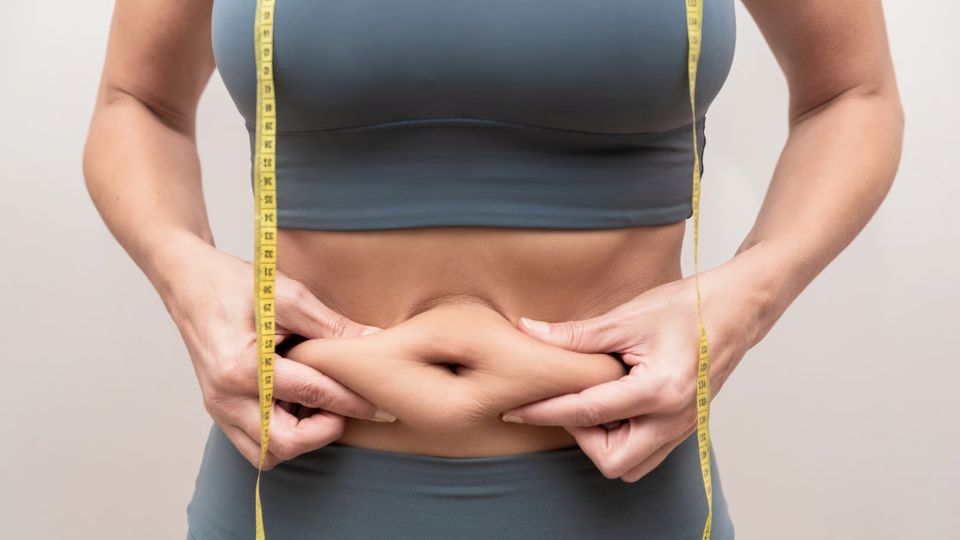
Losing a large amount of weight is one of the hardest things a body can do. So it feels almost unfair when the reward is loose, hanging skin that no gym session will tighten. If you’re proud of the number on the scale but frustrated by what you see in the mirror, body contouring after weight loss is the next chapter.
9 Min Read:
Body contouring after weight loss is a set of procedures that remove excess, sagging skin and refine the underlying shape once you reach a stable weight. Major weight loss stretches the skin beyond its ability to snap back, and surgery is the only reliable way to remove that loose tissue. This guide explains why skin sags after weight loss, every surgical option by body area, how these procedures differ from liposuction, timing and candidacy, recovery, and what to expect from scars.
Why Skin Doesn’t Bounce Back
Skin has elastic limits, and major weight loss pushes past them.
When skin stretches over months or years of carrying extra weight, the collagen and elastin fibers that give it spring become permanently damaged. Think of a rubber band left stretched for too long: it never fully returns to its original tension. After you lose the weight, the skin that expanded has nowhere to go, so it drapes at the abdomen, arms, thighs, and chest.
This is not a fitness failure, and it is important to hear that clearly. It is a structural change in the skin itself, and no amount of toning or targeted exercise rebuilds fibers that are already broken down. Surgery is the only way to remove skin that has lost its elasticity.
How Much Loose Skin Is Normal?
The amount of loose skin depends on how much weight you lost, how quickly, your age, your genetics, and how long you carried the extra weight. Someone who lost 100 pounds will typically have more excess skin than someone who lost 30, and older skin with less collagen sags more than younger skin. There is no single “normal,” which is why an individual assessment matters so much.
Your Surgical Options by Body Area
Different areas call for different procedures, and most weight-loss patients need a combination to address the whole body.
The Abdomen
The abdomen is the most commonly treated area. A tummy tuck, or abdominoplasty, removes the apron of loose abdominal skin and tightens the core muscles that pregnancy or weight change often separate. A panniculectomy specifically removes the overhanging fold of skin, the pannus, and because that fold can cause rashes, infections, and hygiene problems, this procedure is sometimes covered by insurance as medically necessary.
The Arms and Thighs
An arm lift, or brachioplasty, addresses the sagging skin that hangs from the upper arms, often described as “bat wings.” A thigh lift firms the inner and outer thighs, an area that frequently troubles patients after major weight loss because loose thigh skin can chafe and make movement uncomfortable.
The Torso and Breasts
A lower body lift treats the abdomen, hips, buttocks, and outer thighs in one circumferential procedure, which is a powerful option after very large weight loss. When breasts deflate and sag after weight loss, a breast lift restores their position and shape, sometimes combined with an implant to replace lost volume.
Dr. Hadeed sequences these based on your priorities, skin, and health, since extensive work is often safer staged across more than one surgery.
Body Contouring vs Liposuction After Weight Loss
Here is the distinction that matters most for this group, because getting it wrong leads to disappointment.
Liposuction removes fat. It does nothing for loose skin, and on a post-weight-loss body it can actually make sagging look worse, because removing the fat that was filling the loose skin leaves even more of it draping. If your main issue is excess skin, you need a lift or excision procedure, sometimes paired with liposuction to refine stubborn fat at the same time. The two work together, but one cannot replace the other. For the bigger picture of how these procedures fit together, see our complete guide to body contouring surgery.
When Are You Ready? Timing and Candidacy
Timing is one of the most important factors in a lasting result.
Most surgeons want your weight stable for about six months before contouring. A stable weight means your skin has settled into its final state and that further loss or gain will not distort the result. Good candidates are also in good health, non-smokers or willing to quit, and have their nutrition well managed, which is especially relevant after bariatric surgery, where protein and vitamin levels affect healing.
The Role of Nutrition After Bariatric Surgery
Weight-loss surgery patients sometimes have nutritional deficiencies that can slow healing, so surgeons often check protein and vitamin levels before contouring. Optimizing nutrition first is not a delay for its own sake. It genuinely lowers your risk of wound-healing problems and gives you a better result.
A Growing Group of Patients
The demand here is climbing fast, driven by a new category of patient.
The American Society of Plastic Surgeons reports that in 2024 more than 837,000 GLP-1 patients sought aesthetic care, with a large share considering surgery. Medications like semaglutide produce rapid weight loss that leaves the same loose skin bariatric surgery does, sometimes more, because the loss happens quickly. Contouring is how these patients complete the transformation their medication or surgery started.
Recovery and Scars
Recovery after skin-removal surgery is more involved than after liposuction, and it is worth understanding before you commit.
Most patients need four to six weeks before returning to full activity, with desk work often resuming in one to two weeks. You wear compression garments, limit lifting and strenuous movement, and attend follow-ups while incisions heal. Swelling settles over several months, and the final shape emerges as it does.
Scars are the honest trade-off of these procedures. Removing loose skin requires an incision, and that leaves a scar, which surgeons place in concealable locations like the bikini line for a tummy tuck or the inner arm for a brachioplasty. Scars fade substantially over about a year, and most patients consider them a worthwhile exchange for removing skin that bothered them daily. Dr. Hadeed discusses expected scar placement with every patient so there are no surprises.
Why Non-Surgical Options Fall Short Here
Many patients understandably hope to avoid surgery, and it’s worth being honest about why creams, wraps, and most devices don’t solve loose skin.
Topical products cannot reach or rebuild the deep collagen and elastin structure of skin that has already lost its elasticity. Energy-based skin-tightening devices can help mild laxity, but they are no match for the large volume of hanging skin that follows major weight loss. When skin has been stretched well past its recoil point, the only reliable way to remove it is to cut it away and reclose the tissue. That is a hard truth, but knowing it saves you from spending months and money on approaches that cannot deliver what surgery does.
The Emotional Side of the Transformation
There is a psychological dimension here that deserves acknowledgment, because it’s real for many patients.
Reaching a goal weight after a long effort is a major achievement, yet loose skin can leave people feeling that their body still doesn’t reflect the work they did. Some avoid mirrors, intimacy, or certain clothing even after losing the weight. Body contouring is often the step that lets the outside finally match the transformation on the inside. This is not vanity. It is the completion of a health journey, and it’s one reason so many post-weight-loss patients describe the result as deeply worthwhile. Dr. Hadeed approaches these consultations with that context in mind, not just the surgical plan.
Frequently Asked Questions
How long should I wait after weight loss before surgery?
Most surgeons want your weight stable for about six months, so the skin has settled and your results will last.
Does insurance cover skin removal?
Sometimes. A panniculectomy for hanging skin that causes rashes or infection may be covered, while purely cosmetic contouring usually is not.
Can I have this after GLP-1 weight loss?
Yes. Loose skin from GLP-1 weight loss responds to the same procedures, once your weight stabilizes and nutrition is well managed.
Can everything be done in one surgery?
Some procedures combine well, but extensive skin removal is often staged across multiple operations for safety and better results.
Will body contouring after weight loss leave scars?
Yes. Skin-removal procedures trade loose skin for a scar placed in concealable locations. Scars fade over about a year and are usually considered a worthwhile trade for removing the excess skin.
How long is recovery after skin removal surgery?
Most patients need four to six weeks before full activity, with desk work often resuming in one to two weeks. Larger or combined procedures take longer, and swelling settles over several months.
Take the Next Step Toward the Body You Worked For
You did the hard part. A consultation is how you finish it. Dr. Josef Hadeed, who is board certified in plastic surgery and practices in Beverly Hills and Miami, will build a contouring plan around your goals. Call (310) 970-2940 or request a consultation online.
