
What Is Liposuction and How Does It Work?
Posted August 17, 2026 in Liposuction by Josef Hadeed, MD
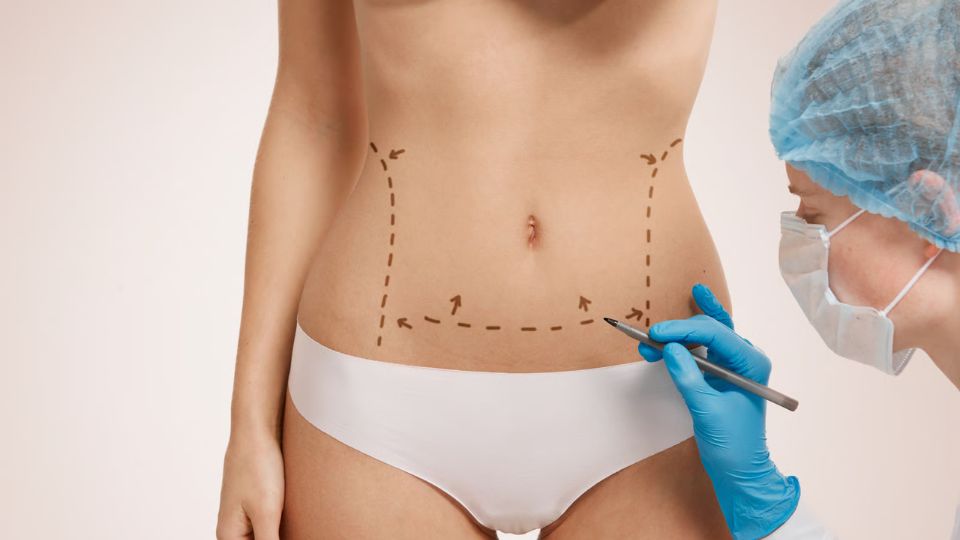
You’ve cut the carbs, logged the workouts, and one stubborn area still refuses to change. Flanks, inner thighs, under the chin. Those pockets are often less about willpower than genetics, and they’re exactly what liposuction was designed to remove.
9 Min Read:
Liposuction is a surgical procedure that removes stubborn, localized fat deposits to reshape specific areas of the body. It works by suctioning fat through a thin tube called a cannula, permanently taking those fat cells out of the treated area. It is a contouring tool, not a weight loss method. This article explains exactly how the procedure works, which areas it treats, the different techniques, what it can and cannot do, a full recovery timeline, and how long results last.
How the Procedure Works, Step by Step
The process is far more precise than the word “suction” suggests. It is sculpting, not vacuuming.
First, Dr. Hadeed injects a tumescent solution, a mix of saline, local anesthetic, and a medication called epinephrine that shrinks blood vessels. This numbs the area, reduces bleeding, and swells the fat so it releases cleanly. The tumescent technique is one of the main reasons modern liposuction is safer and less bruising than older methods.
Next, he inserts the cannula through incisions just a few millimeters wide, usually placed in natural creases so scars stay hidden. Moving it in controlled, fan-like passes, he suctions fat out while continuously assessing the contour by feel and sight, blending the treated area into the surrounding tissue so there are no dents or ridges.
The Different Liposuction Techniques
Not all liposuction is the same, and matching the technique to your tissue is part of the expertise.
Traditional suction-assisted liposuction relies on the cannula alone and works well for many areas. VASER® liposuction adds ultrasound energy that liquefies fat before removal, which spares nearby nerves and blood vessels, often means less bruising, and helps with more fibrous areas like the male chest or the back. Power-assisted liposuction uses a vibrating cannula to remove fat more efficiently with less physical force. Dr. Hadeed selects the method based on the area, your skin, and the definition you want, rather than using one tool for everything.
Which Areas Can Liposuction Treat?
Liposuction is versatile, and it shines on the deposits that resist diet and exercise most stubbornly.
Common areas include the abdomen and flanks, the “love handles,” the inner and outer thighs, the upper arms, the back and bra-roll area, the chest, and the neck and area under the chin. These are the spots where fat is often genetically determined and disproportionate to the rest of the body, which is exactly why training and dieting fail to shift them. Because the fat cells are physically removed, treating one of these areas gives a lasting change to its shape.
What Liposuction Can and Cannot Do
Being clear-eyed about the limits is what separates a good result from a disappointing one.
Liposuction removes fat. It does not tighten loose skin, treat muscle separation, or remove the deep visceral fat around your organs. If your skin has good elasticity, it will retract nicely over the new, smaller contour. If weight loss or aging has already stretched your skin, you may need a tummy tuck or another skin-removal step instead, one of several approaches covered in our complete guide to body contouring surgery.
It is also not a weight loss method. Liposuction is best for patients within roughly 30 percent of their ideal weight who have specific stubborn areas, not for overall size reduction. Understanding this up front means your expectations match what the procedure actually delivers.
Is Liposuction Safe?
Performed by a board-certified plastic surgeon on an appropriate candidate, liposuction has a strong safety record. Risk rises with very large-volume removal in a single session, which is why surgeons generally cap removal for safety, and when liposuction is combined with other major procedures. Choosing an experienced surgeon and an accredited facility is the single biggest factor in a safe experience.
High-Definition Liposuction
For patients who want athletic definition rather than simple flattening, high-definition liposuction sculpts fat around muscle groups to reveal the underlying tone.
Instead of just reducing volume, the surgeon removes fat in deliberate layers to etch the natural lines of the abdomen, chest, or arms. Dr. Hadeed’s TriDef® body sculpting is built for this etched, defined look. It suits patients who are already relatively lean and want the muscle they have built to actually show, and it demands more precision than standard liposuction.
Your Liposuction Recovery Timeline
Recovery is faster than most people fear, and knowing the phases helps you plan.
Days 1 to 3: Expect soreness, swelling, and some drainage from the incision sites, which is normal and expected. You’ll wear a compression garment and can usually walk short distances right away, which helps circulation.
Week 1 to 2: Most patients return to desk work and light routines. Bruising begins to fade and the soreness eases. The compression garment stays on to control swelling and help the skin conform.
Weeks 3 to 6: You gradually resume exercise as swelling continues to settle. The treated area may still feel firm or numb in spots, which resolves over time.
3 to 6 Months: The final contour emerges as the last swelling resolves and skin conforms to the new shape. This is when you see the true result.
Getting the Best Recovery
Wearing your compression garment as directed is the most important thing you control. It limits swelling, supports the tissue, and shapes the final contour. Staying hydrated, eating protein to support healing, walking early, and avoiding nicotine all help too. Nicotine constricts blood vessels and slows healing, so it is worth stopping well before and after surgery.
How Long Do Results Last?
Liposuction results are effectively permanent, with one honest caveat.
The fat cells removed during the procedure do not grow back. So the areas treated will not regain fat the way they did before, as long as your weight stays stable. If you gain a significant amount of weight afterward, the remaining fat cells in the area can enlarge, and fat may also accumulate in untreated areas. Maintaining a steady weight is what keeps your result looking the way it did at the six-month mark.
How to Prepare for Liposuction
Good preparation makes recovery smoother and lowers your risk, and most of it is straightforward.
In the weeks before surgery, Dr. Hadeed will likely ask you to stop smoking and nicotine entirely, since nicotine constricts blood vessels and impairs healing. You may need to pause certain medications and supplements, such as aspirin, some anti-inflammatories, fish oil, and vitamin E, all of which can increase bleeding. Arriving at a stable weight beforehand also improves your result, since liposuction refines shape rather than chasing a moving target.
Closer to the day, arrange a ride home and someone to stay with you the first night, fill any prescriptions in advance, and set up a comfortable recovery spot with your compression garment ready. Eating well and staying hydrated in the days before surgery primes your body to heal.
Common Liposuction Myths
A few persistent myths lead people to the wrong expectations, so it’s worth clearing them up.
The first is that liposuction is a weight loss method. It is not. It removes localized fat for shape, and the number on the scale barely moves. The second is that the fat “comes back somewhere else.” The treated fat cells are gone permanently, and while significant weight gain can enlarge remaining fat cells anywhere, the idea that fat mysteriously relocates is a misunderstanding. The third is that liposuction tightens skin. It does not, and expecting it to is the most common source of disappointment when skin elasticity is poor.
Understanding what the procedure actually does, and does not do, is what leads to a result you’re happy with. That honest framing is exactly what a good consultation provides.
Frequently Asked Questions
How long do liposuction results last?
The removed fat cells do not grow back, so results are permanent with a stable weight. Major weight gain can still enlarge the fat cells that remain.
Is liposuction a weight loss procedure?
No. It removes localized fat for shaping, not overall pounds, and works best near your goal weight.
How much fat can be removed?
Surgeons typically remove up to about 5 liters in one session for safety, though it depends on your body and the areas treated.
When can I return to work?
Most people return to desk work within a few days to a week and resume exercise around two to three weeks after surgery.
Does liposuction leave scars?
Incisions are only a few millimeters wide and placed in natural creases where they hide well. The resulting scars are tiny and typically fade to near-invisibility.
Is liposuction safe?
Performed by a board-certified plastic surgeon on an appropriate candidate, it has a strong safety record. Risk rises with very large-volume removal or when combined with other procedures, which is why candidacy and surgical judgment matter.
Explore Your Liposuction Options in Beverly Hills
If a stubborn pocket has outlasted your best efforts, a consultation is the fastest way to learn whether liposuction fits your body. Reach Dr. Josef Hadeed, a board-certified plastic surgeon in Beverly Hills and Miami, at (310) 970-2940, or book online.
