
Five Common Questions About Silicone and Biopolymer Removal
Posted May 31, 2026 in Injection Removal by Josef Hadeed, MD
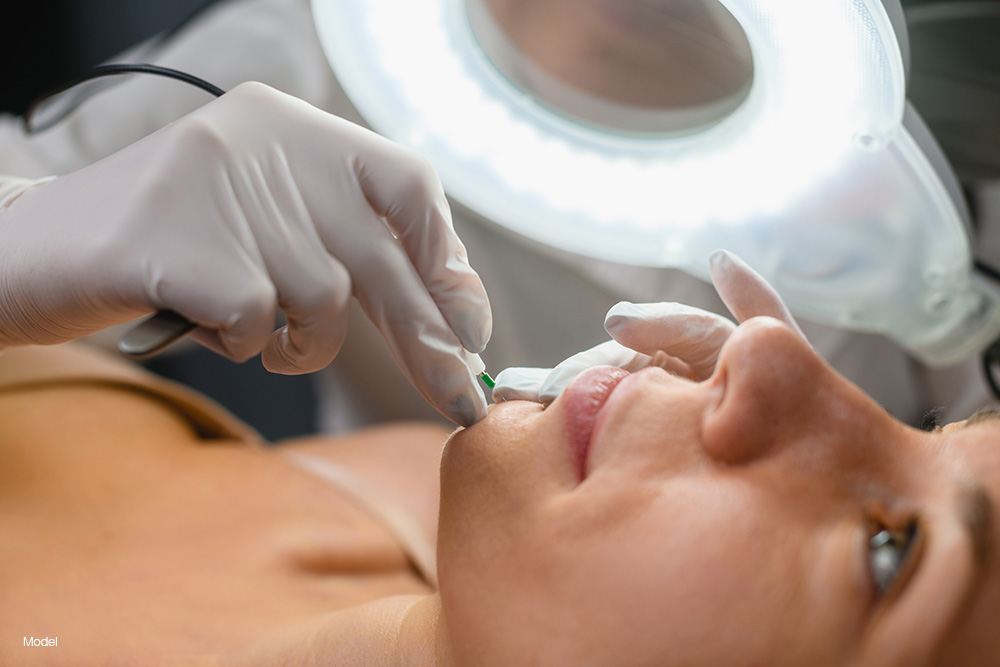
Silicone and biopolymer injections were often marketed as quick ways to enhance your body contours or increase volume without undergoing surgery. Unfortunately, these unsafe substances can cause complications ranging from discomfort and inflammation to changes in the appearance of your body and tissue damage. If you have silicone or biopolymer injections and wish to get them removed, you likely have questions about what the process involves, how long recovery may take, and what your options are afterward.
In this blog, we answer five of the most common questions potential patients ask when deciding whether to proceed with the removal of their silicone and biopolymer injections.
Table of Contents
- 1. What Are the Signs That My Silicone Injections Need to Be Removed?
- 2. How Many Procedures Are Needed to Remove Silicone Injections?
- 3. How Long Does Recovery Take After Silicone Removal?
- 4. What Happens If I Leave Silicone Injections Untreated?
- 5. Can I Get Fat Transfer After Silicone Injection Removal?
1. What Are the Signs That My Silicone Injections Need to Be Removed?
Not everyone experiences immediate complications after receiving silicone or biopolymer injections. In some cases, symptoms can develop months or even years later. However, certain warning signs may indicate that removal should be considered.
Common symptoms include:
- Pain or tenderness in the treated area
- Swelling that does not resolve
- Redness or chronic inflammation
- Firm lumps or nodules beneath the skin
- Skin discoloration
- Hardening of the surrounding tissues
- Changes in body contour or asymmetry
- Migration of the injected material to other areas
- Recurrent infections
Some patients also experience systemic symptoms that may be associated with chronic inflammation caused by foreign materials in the body. Even if symptoms seem mild, it is important to seek evaluation by a surgeon experienced in silicone and biopolymer injection removal (such as Dr. Hadeed). Seeking treatment as soon as possible can help prevent more extensive tissue damage and improve your long-term outcome.
2. How Many Procedures Are Needed to Remove Silicone Injections?
The number of procedures required to remove your silicone and biopolymer injections depends on several factors, including the amount of material injected, the location of the injections, how much the material has spread, and the condition of the tissues in the area.
Unfortunately, liquid silicone and biopolymers often migrate into nearby tissues and other areas well beyond the original injection site. Because of this, complete removal of the material is usually not possible in a single procedure.
Depending on your individual case, you may only need one surgery for sufficient removal to alleviate your symptoms, or you may benefit from a staged treatment plan involving multiple procedures. Staged removal often allows Dr. Hadeed to safely remove as much of the silicone and biopolymer material as possible while preserving healthy tissue and minimizing complications.
During your injection removal consultation, Dr. Hadeed will perform a thorough examination of the area(s) where you received silicone and biopolymer injections and may do imaging to determine the exact location and extent of the material. This thorough evaluation will help him create a customized surgical plan tailored to your needs.
3. How Long Does Recovery Take After Silicone Removal?
Recovery after silicone and biopolymer injection removal varies depending on the extent of removal and the areas being treated. In general, you can expect to experience some swelling, bruising, and soreness during the initial healing period.
You will typically be able to resume light daily activities within one to two weeks; however, you may need to avoid strenuous exercise and activities for several weeks. Swelling will improve significantly during the first month and will gradually decrease over the next few months.
Following Dr. Hadeed’s postoperative instructions, attending all follow-up appointments, and allowing your body adequate time to heal are all essential to achieving the best possible outcome.
4. What Happens If I Leave Silicone Injections Untreated?
Leaving your silicone or biopolymer injections untreated can cause complications to develop and worsen over time. Your body recognizes these materials as foreign substances, which can trigger chronic inflammation and tissue reactions. Potential consequences of leaving silicone or biopolymer injections in your body include:
- Progressive pain and discomfort
- Worsening swelling and inflammation
- Development of hard masses or granulomas
- Tissue scarring and fibrosis
- Skin thinning or breakdown
- Infection
- Continued migration of the material
- Increasing contour deformities
As these issues progress, treatment to remove them and reconstruct the area may become more complex. Early removal can help mitigate problems before they become more severe and may improve the likelihood of achieving better surgical results.
5. Can I Get Fat Transfer After Silicone Injection Removal?
In many cases, yes. Fat transfer is often used to reconstruct the treatment area after silicone or biopolymer removal. Because the removal process may leave volume deficiencies or contour irregularities, transferring your own fat can help restore a smoother, more natural appearance.
During fat transfer, excess fat is harvested from another area of your body using liposuction. The harvested fat is then purified and strategically injected into the treatment area. Since the transferred fat comes from your own body, fat transfer provides a natural look and feel while improving your overall body contour.
For patients who don’t have enough excess fat to harvest or who don’t want to undergo liposuction, Dr. Hadeed uses alloClae™. Less invasive than fat transfer because it doesn’t require liposuction, alloClae™ is highly purified, donor-derived fat used in the same way as your natural fat to address volume loss and contour irregularities after silicone and biopolymer injection removal.
Keep in mind that you typically need to complete the healing process after your silicone and biopolymer injection removal surgery before undergoing fat transfer. This allows inflammation to subside and gives Dr. Hadeed a clearer understanding of how much reconstruction may be needed.
As an experienced silicone and biopolymer removal specialist, Dr. Hadeed will determine whether fat transfer is appropriate for you and develop a treatment plan designed to restore both your health and your appearance.
Learn More About Silicone and Biopolymer Injection Removal in Beverly Hills
If you have received silicone or biopolymer injections, prompt removal of the material is highly recommended. To schedule a consultation and explore your removal options with board-certified plastic surgeon and body contouring expert Dr. Josef Hadeed, call our office today at (310) 970-2940 or complete the online contact form.
