
Breast Augmentation vs. Breast Lift: Which Procedure Do You Need?
Posted June 23, 2026 in Breast Procedures by Josef Hadeed, MD
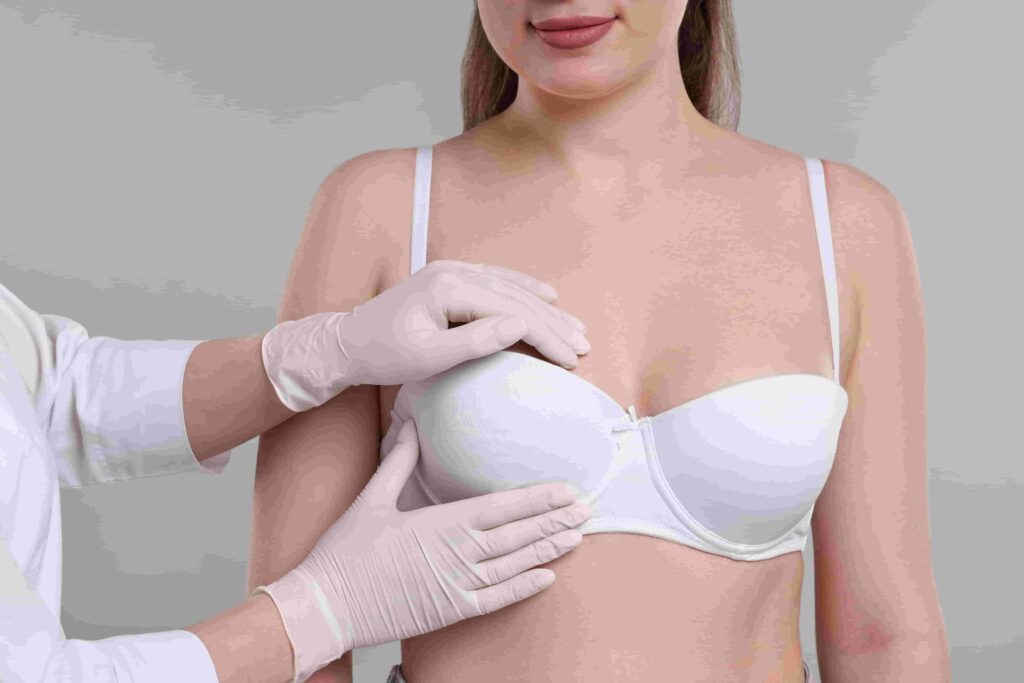
You have narrowed your options down to two procedures, and now comes the harder part: figuring out which one your body actually needs. Breast augmentation and breast lift sound interchangeable, but they solve two completely different problems. Get the distinction right and you get the result you pictured. Get it wrong and you may end up with a procedure that misses your real concern, or a revision you never planned for. This guide walks you through how to tell the difference, when you need one, and when you need both.
8 Min Read:
Here is the short version. A breast augmentation adds volume. A breast lift changes position. The question of breast augmentation vs. breast lift comes down to what actually bothers you: if your breasts feel too small or deflated, augmentation is likely the answer; if they have dropped and lost their shape, a lift is what addresses that; and if both are true, a combined procedure corrects them together. Breast augmentation remains one of the most requested cosmetic surgeries in the United States, with more than 290,000 performed in a recent year, and a meaningful share of the women who ask for it turn out to need some degree of lift as well. Knowing which camp you fall into is the whole game.
What Each Procedure Does
A breast augmentation adds volume to the breasts through implants (silicone or saline) or through fat transfer, which moves fat from elsewhere in your body to the breasts. Augmentation increases cup size, adds fullness particularly in the upper pole of the breast, and can improve overall projection and shape. What it does not do is reposition breasts that have dropped or correct nipples that point downward.
A breast lift, also called a mastopexy, repositions the breast on the chest wall. It removes excess skin, reshapes the breast tissue, and raises the nipple and areola to a more youthful position. A lift restores the shape and firmness of breasts that have sagged with age, after pregnancy and nursing, or following significant weight loss. The clinical term for that sagging is ptosis, and surgeons grade it from mild (Grade I) to severe (Grade III). What a lift does not do on its own is add volume.
How to Tell Which One You Need
The pencil test
A simple self-assessment used by plastic surgeons is the pencil test. Place a pencil in the fold beneath your breast, the crease known as the inframammary fold. If the breast holds the pencil in place, there is likely some degree of ptosis. If the breast does not hold it, the breast tissue is sitting above the fold, and a lift may not be necessary. This is a rough guide, not a substitute for an in-person examination, but it gives you a starting point for understanding your anatomy.
Where your nipple sits
The position of your nipple relative to the breast fold is one of the primary indicators a surgeon uses to assess the degree of ptosis. In a breast without significant drooping, the nipple sits above or at the level of the fold. In mild ptosis, the nipple is at the fold. In moderate to severe ptosis, the nipple sits below the fold and may point downward. If your nipple is pointing down, augmentation alone will not correct it. In these cases, a lift is needed to elevate the nipple to the appropriate position.
Volume loss versus position change
Ask yourself honestly what bothers you most. Is it that your breasts are smaller than you would like? That they have lost the fullness they once had? That they feel deflated? If the primary concern is size or volume, augmentation is likely the answer. If the primary concern is that they have dropped, lost their shape, or no longer sit where they used to, a lift is what addresses that. And if both are true, that they have lost volume and dropped, a combined augmentation with lift may be the right approach.
Is it ptosis or just lost volume?
One point of confusion is worth naming, because it changes the answer. Sometimes a breast looks like it is sagging when the real issue is an empty upper pole, a state surgeons call pseudoptosis. The nipple still sits in a good position, but the breast reads as deflated. That distinction matters: true ptosis needs a lift, while pseudoptosis can often be corrected with volume alone. Only an in-person exam can tell them apart reliably, which is why the assessment above is a starting point rather than a verdict.
When Augmentation Alone Is Sufficient
Augmentation alone works well for patients whose breast tissue sits in a good position on the chest wall but who want more size or fullness. This is often the case for women who have always had small breasts, patients whose primary concern is upper pole fullness that has diminished with age or after nursing, and women whose breasts have lost volume after weight loss but whose skin has retained good elasticity and the breast still sits at an appropriate height.
The key criterion is nipple position. If your nipples sit at or above the breast fold and point forward, your breast anatomy does not require repositioning, and adding volume through an implant or fat transfer will give you the result you are looking for without the scars associated with a lift. For you, that means a shorter recovery and a simpler operation.
When a Lift Is Necessary
A breast lift becomes necessary when the breast has descended to the point where adding volume alone will not produce the result you want. Placing an implant in a breast with significant ptosis simply makes the drooping breast larger; it does not lift it. The nipple remains in its downward position, the breast still sits low on the chest, and the result looks heavy rather than youthful.
A lift is indicated when there is moderate to severe ptosis, when the nipple sits at or below the breast fold, when the breast shape is elongated or tubular, or when significant skin laxity means the breast tissue does not have the structural support to hold a good position on its own. In those cases, repositioning the tissue is what gives you a lasting, natural-looking result.
When a Combined Augmentation With Lift Is the Right Choice
Many patients need both volume and position corrected, and for them, a breast augmentation combined with a lift produces results that neither procedure alone can achieve. This is a common scenario after pregnancy and nursing, where the breasts have lost both volume and position at the same time. The lift addresses the shape, position, and skin excess, while the implant restores the fullness and projection that the breast has lost. This combined procedure, sometimes called an augmentation-mastopexy, requires a surgeon with deep experience in balancing both elements harmoniously, because the two goals can pull against each other during planning.
Recovery: What to Expect
Recovery from a breast augmentation is typically shorter than recovery from a lift.
Augmentation: Most patients return to light activity within a few days and desk work within one to two weeks.
Breast lift: A lift involves more tissue work and suture lines, so recovery is slightly longer. Most patients feel ready to resume light activity by ten to fourteen days, with full recovery around six weeks.
Combined augmentation with lift: Recovery profile is similar to a lift alone. Discomfort is manageable with prescribed medication, and a surgical bra is worn during the recovery period to support healing.
Dr. Hadeed will provide specific postoperative guidelines tailored to your procedure, so you know exactly what each week should look like.
Questions Patients Ask Most About Augmentation vs. Lift
Can I avoid a lift by choosing a larger implant?
This is a tempting logic, but it does not work in practice. A larger implant in a dropped breast simply produces a larger dropped breast. The nipple position, breast shape, and skin laxity are not corrected by adding volume. In some cases, a very large implant will actually stretch the tissues further and accelerate the appearance of drooping. If a lift is indicated based on your anatomy, choosing a larger implant is not a substitute for it.
Will a breast lift make my breasts smaller?
A lift alone does not significantly change bra size, though it may give the appearance of slightly less fullness because the breast is now sitting in its proper position rather than drooping. Some patients combine a lift with a small implant specifically to maintain or add volume while also addressing position. If you are concerned about size loss from a lift alone, discuss this with Dr. Hadeed during your consultation.
How long do implants last?
Modern silicone and saline implants are designed for durability and do not have a fixed expiration date. They do not need to be replaced on a schedule. However, breast implants can rupture, develop capsular contracture, or require revision over time. Many patients enjoy their results for a long time without revision.
I’m planning to have more children. Should I wait?
Future pregnancies and nursing can affect the results of both augmentation and lift procedures. For patients planning to have children, it is generally advisable to wait until your family is complete before pursuing breast surgery, particularly a lift or combined procedure.
What is the difference between a breast lift and a breast reduction?
A breast reduction removes excess breast tissue to make the breasts smaller while also reshaping and lifting them. A lift alone reshapes and repositions without significantly changing volume. If your primary concern is physical symptoms related to breast weight, shoulder pain, back pain, or skin irritation, a reduction is the more appropriate procedure.
Explore Your Breast Procedure Options in Beverly Hills or Miami
Whether you need volume, a lift, or both, the right answer depends on your specific anatomy and goals, and the fastest way to get a clear one is an in-person assessment. Dr. Josef Hadeed, a board-certified plastic surgeon practicing in Beverly Hills and Miami, specializes in breast augmentation, breast lift, and combined procedures, and takes pride in giving every patient an honest read on what each option will and will not do for them specifically. Call (310) 970-2940 or request a consultation online to talk through which procedure fits your body.
