
Complete Guide to Biopolymer Injection Removal
Posted August 21, 2026 in Injections by Josef Hadeed, MD
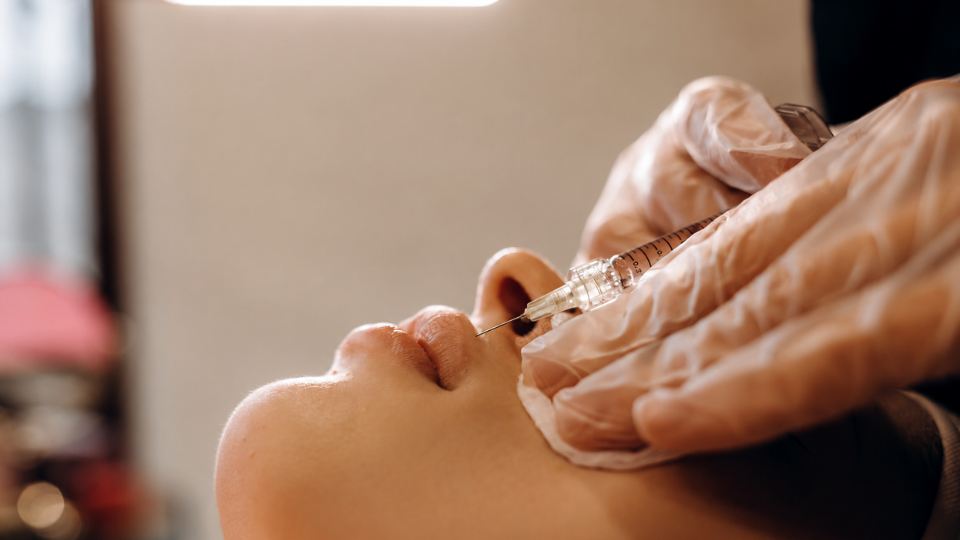
It may have started as a quick fix. Fuller hips, a rounder backside, a smoother jawline, done in an afternoon at a price that seemed too good to pass up. Now there’s hardness where there should be softness, pain that moves and won’t quit, and a quiet dread that whatever was injected is doing damage you can’t see. If that describes you, this guide is written for you, and there is a real way forward.
10 Min Read:
Biopolymer injection removal is surgery to take out illegal filler material, along with the inflamed and hardened tissue it forms, from areas like the buttocks, hips, thighs, and face. Because biopolymer and industrial silicone are not FDA-approved for body contouring and can cause serious, progressive harm, removing symptomatic material is frequently a medical necessity rather than a cosmetic choice. This guide covers what these injections are, why they hurt you, how to recognize a problem, how removal surgery works, and what recovery looks like.
What Biopolymer Injections Actually Are
Biopolymer is an umbrella term for a group of non-medical substances injected to add volume to the body. It covers industrial-grade liquid silicone, hydrogel, methacrylate products, and other synthetic materials sold under various names.
These are not the same thing as FDA-approved dermal fillers or a surgical fat transfer, which uses your own tissue. Approved fillers are regulated, placed in specific ways, and designed to be reabsorbed or safely maintained. Biopolymer is none of that. It is often industrial material never intended for the human body, injected in large volumes in a single sitting.
The setting usually tells the story. These injections are frequently performed by unlicensed practitioners in non-medical spaces: hotel rooms, salons, and private apartments, sometimes at a friend’s kitchen table. There is no board-certified surgeon, no sterile operating room, and no medical follow-up. That gap is where the harm begins.
Why Do People Get These Injections?
The appeal is understandable. Surgical body contouring costs more and requires recovery time, so a cheap, fast alternative that promises the same curves is tempting. Marketing often frames biopolymer as “permanent filler” or “liquid Brazilian butt lift,” which sounds appealing and hides the reality of what the material does over time.
The problem is that the low upfront cost frequently turns into far greater medical and financial costs later, when the material has to be surgically removed and complications treated.
Why Biopolymer Is So Dangerous
This is the part patients are almost never told beforehand, and it is the reason removal exists as a specialty.
Injected biopolymer does not stay in a neat pocket the way a fat graft or an implant does. It spreads through the surrounding soft tissue and can migrate far from where it was placed, traveling down the thighs, into the abdomen, or elsewhere with gravity and movement. Because your body recognizes it as a foreign invader, it mounts a chronic immune response that never fully resolves.
Over months to years, that response produces hardened lumps called granulomas, which are walled-off clumps of inflammatory tissue around the material. It can cause recurring infections, some severe enough to require intravenous antibiotics or surgical cleaning of dead tissue. In the worst cases, patients face tissue death, skin breakdown, blood clots that travel to the lungs, and infections that become life-threatening. Chronic pain that moves through the legs, ankles, and abdomen is a common and debilitating symptom.
As a board-certified plastic surgeon, Dr. Josef Hadeed treats symptomatic biopolymer as a medical problem first. The cosmetic result matters, but the priority is getting a harmful substance out of your body safely.
Biopolymer Migration: What It Means for You
Migration is the single feature that makes this material so difficult. Because it moves and infiltrates tissue rather than sitting in a capsule, a surgeon cannot simply scoop it out. The material and your own tissue become intertwined. This is why removal is complex, why complete removal is rarely realistic, and why the surgeon’s experience matters so much.
How to Know If You Need Biopolymer Removal
Recognizing a problem early gives you more options, so pay attention to your body’s signals.
The most common warning signs are hardening or firm lumps in the injected area, chronic pain, pain that travels to new locations, redness or warmth that signals inflammation, recurring infections, skin discoloration or darkening, drainage from the skin, and a visible shifting of volume as the material migrates. Fever, spreading redness, or pus are signs of active infection and warrant urgent medical care.
If any of these sound familiar, an evaluation with a surgeon experienced in silicone and biopolymer injection removal is the right next step. Not every patient with old injections has an emergency, but every patient deserves a professional assessment. To see how surgeons decide, read who is a good candidate for biopolymer injection removal, and for the full picture of what waiting means, see the risks and complications of biopolymer injection removal.
How Biopolymer Injection Removal Surgery Works
Because the material infiltrates tissue rather than forming a clean pocket, removal is more involved than the injection ever was.
The standard approach is staged surgical excision under general anesthesia. Rather than liposuction, which cannot extract material bound within tissue, the surgeon makes careful incisions and removes the biopolymer along with the granulomas and the compromised surrounding tissue. Dr. Hadeed plans the removal around imaging and physical exam, mapping where the material has spread before surgery.
The word “staged” matters. For extensive cases, surgeons deliberately remove material in more than one operation rather than taking out too much tissue at once, which protects blood supply to the skin and lowers the risk of wound problems. Trying to remove everything in a single aggressive surgery can cause more harm than the measured, staged approach.
Why Liposuction Alone Isn’t Enough
Patients often ask whether the material can just be suctioned out like fat. Liposuction by itself is not sufficient, because biopolymer is bound within scarred, inflamed tissue and often hardened into granulomas, not soft and mobile like fat. This is why VASER® ultrasonic liposuction is performed first. The ultrasound energy breaks the material into smaller pieces, which can then be suctioned out with liposuction, while the firmest hardened tissue that will not break up is excised directly. It is the combination, not liposuction alone, that makes removal possible.
Restoring Volume After Removal
Removing biopolymer and the surrounding tissue can leave contour irregularities or lost volume, which is a real concern for many patients. Once the area has fully healed and is free of active inflammation, some patients are candidates for restoring shape. Options include reconstruction with your own fat through fat transfer or a surgical Brazilian Butt Lift, as well as alloClae™ injections, an allograft adipose matrix that adds volume without harvesting fat from elsewhere. Any of these is planned as a separate, later stage, never at the same time as removal, because adding a graft to inflamed tissue would fail.
Biopolymer Removal Recovery at a Glance
Recovery is staged, much like the surgery, and knowing the arc helps you plan.
Weeks 1 to 2: Rest is essential. Expect soreness, swelling, bruising, and some drainage. You’ll wear compression garments and limit activity while incisions begin to close.
Weeks 2 to 4: Swelling steadily improves, and you resume light daily activity. Heavy lifting and strenuous exercise remain off-limits.
Weeks 4 to 6: Most patients return to strenuous activity once the surgeon clears them.
3 to 6 Months: Swelling fully resolves, and the final result becomes visible. Extensive cases sometimes require an additional removal stage, which is planned in advance.
Because this varies so much by how much material is present and where it has spread, your timeline is individual. Dr. Hadeed sets clear expectations at your consultation so there are no surprises. For a week-by-week walkthrough, see our full guide to biopolymer injection removal recovery.
Choosing the Right Surgeon for Filler Removal Surgery
This is not a procedure for a general practitioner or a medspa. Filler removal surgery is complex revision plastic surgery, and the surgeon’s experience directly affects both your safety and your result.
Look for board certification by the American Board of Plastic Surgery, specific experience removing biopolymer and silicone, hospital or accredited surgical facility privileges, and an honest conversation about what removal can and cannot achieve. A surgeon who promises to remove “100 percent” of the material in one operation is overpromising. The realistic, trustworthy goal is removing as much as safely possible, relieving your symptoms, and improving your health and appearance over one or more planned stages.
Frequently Asked Questions
What is biopolymer injection removal?
It is surgery to remove illegal filler materials like industrial silicone, hydrogel, or biopolymer, along with the inflamed and hardened tissue they create, usually from the buttocks, hips, thighs, or face. It is often medically necessary because these materials are not FDA-approved for body contouring.
Can biopolymers be completely removed?
Rarely completely, because the material spreads through tissue and cannot be fully separated from it. A skilled surgeon removes the bulk of the material and the compromised tissue to relieve symptoms and improve health and appearance.
Is removal covered by insurance?
Sometimes. When the material causes documented infection, chronic pain, or other medical complications, part of the removal may be considered medically necessary. Coverage varies, so confirm with your insurer beforehand.
How do I know if I need it?
Warning signs include hardening or lumps, chronic or moving pain, recurring redness or infection, skin discoloration, and material shifting to new areas. Any of these warrant evaluation by a surgeon experienced in filler removal.
How long is recovery?
Most patients rest one to two weeks before routine activities and wait four to six weeks before strenuous exercise. Swelling settles over about three to six months, and extensive cases may need more than one surgery.
You Deserve to Feel Safe in Your Own Body Again
Living with pain and fear from injections that were never meant to be inside you is exhausting, and you don’t have to keep carrying it. Dr. Josef Hadeed, a board-certified plastic surgeon who treats biopolymer injection removal patients in Beverly Hills and Miami, will give you a clear, honest assessment of your options. Start that conversation by calling (310) 970-2940 or requesting a private consultation.
